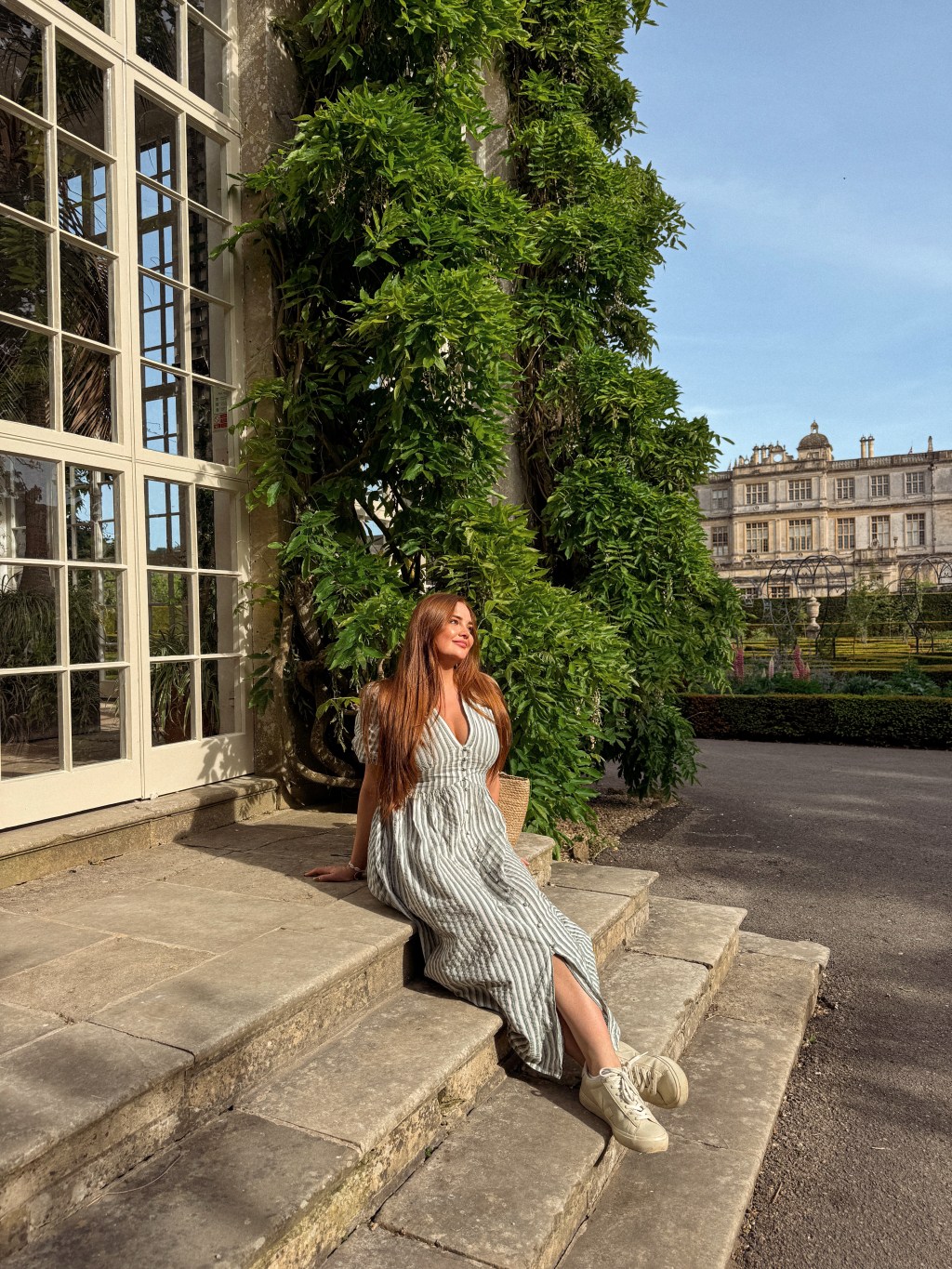
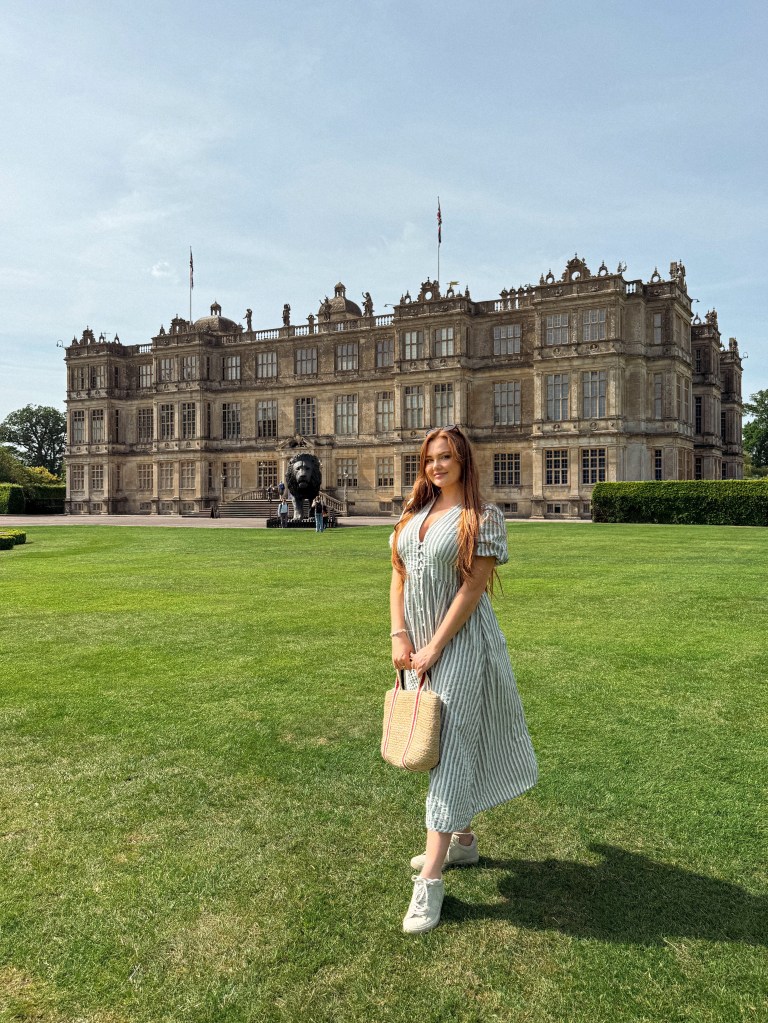
It was a scorching weekend and I was scratching my head for something to do, when I suddenly remembered that I live rather conveniently close to one of Britain’s largest safari parks, and the first of its kind in Europe – Longleat. Home to more than 120 species, Longleat has everything from lions and tigers (my favourite) to giraffes, gorillas, rhinos and just about every other animal you’d hope to encounter on safari, only with the considerable convenience of being in Wiltshire. However, the animals are only half the reason to visit. At the centre of it all sits Longleat House, one of the finest Elizabethan houses in England and home to the same family for nearly 500 years. Its history is arguably every bit as colourful as the safari park that now surrounds it.
From Medieval Priory to Stately Home
Long before the lions and Marquesses of Bath, Longleat was home to an Augustinian priory. Founded in the 13th century, the priory occupied the site for around 300 years and where monks lived in perfect peace until Henry VIII decided to break from the Roman Catholic Church and start the English Reformation – all because he couldn’t get a divorce (we’ve all been there, right? *wink*). Much of Longleat’s medieval complex subsequently disappeared, although remnants survive beneath the present house, which you can glimpse in the Romanesque ceilings of the Cellar Café.
The man who transformed Longleat
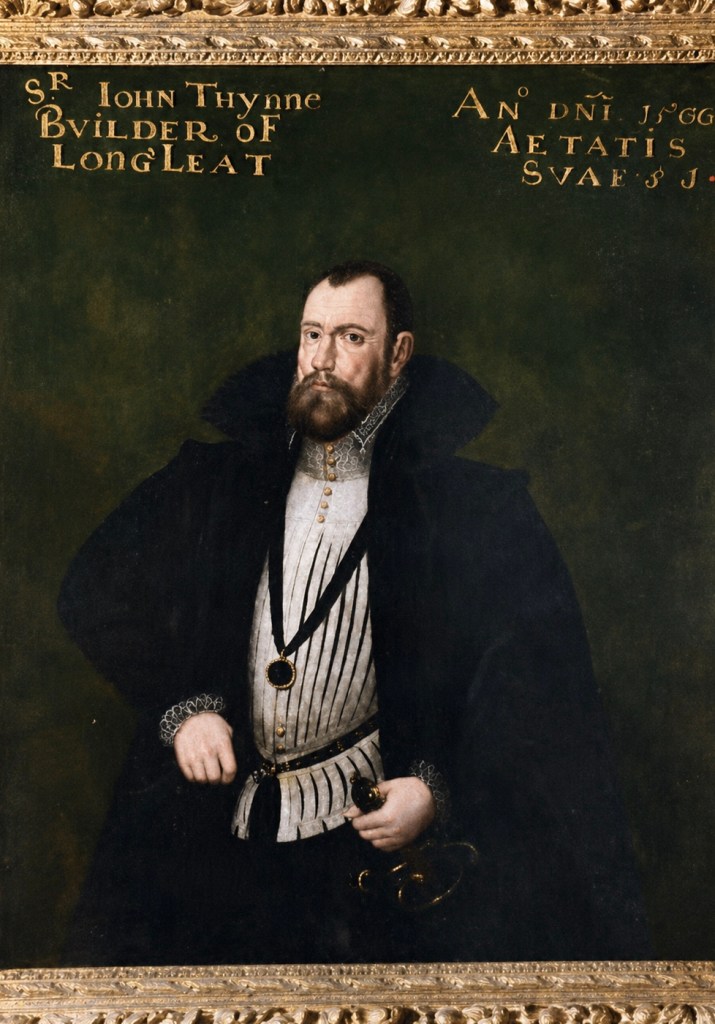
The story of Longleat as we know it really begins with Sir John Thynne. Born around 1515 into a relatively modest gentry family in Gloucestershire, Thynne did not inherit great wealth or status. Instead, he rose through his service to powerful patrons, most notably to the influential Edward Seymour, uncle of King Edward VI (Henry VIII’s son, that tragically died at the age of nine) and Lord Protector of England. As Seymour’s steward and estate manager, Thynne gained experience in administration, finance and large-scale building projects, (which came in very handy later on in his life).
Following the Dissolution of the Monasteries, vast amounts of church land were sold by the Crown at rock bottom prices. Thynne proceeded to buy these up at a pace quicker than me at a Mulberry sample sale (I always say you can never have too many bags or houses, *wink wink*). Overnight, he became a wealthy landowner, including of the vast Longleat estate.
Building the House
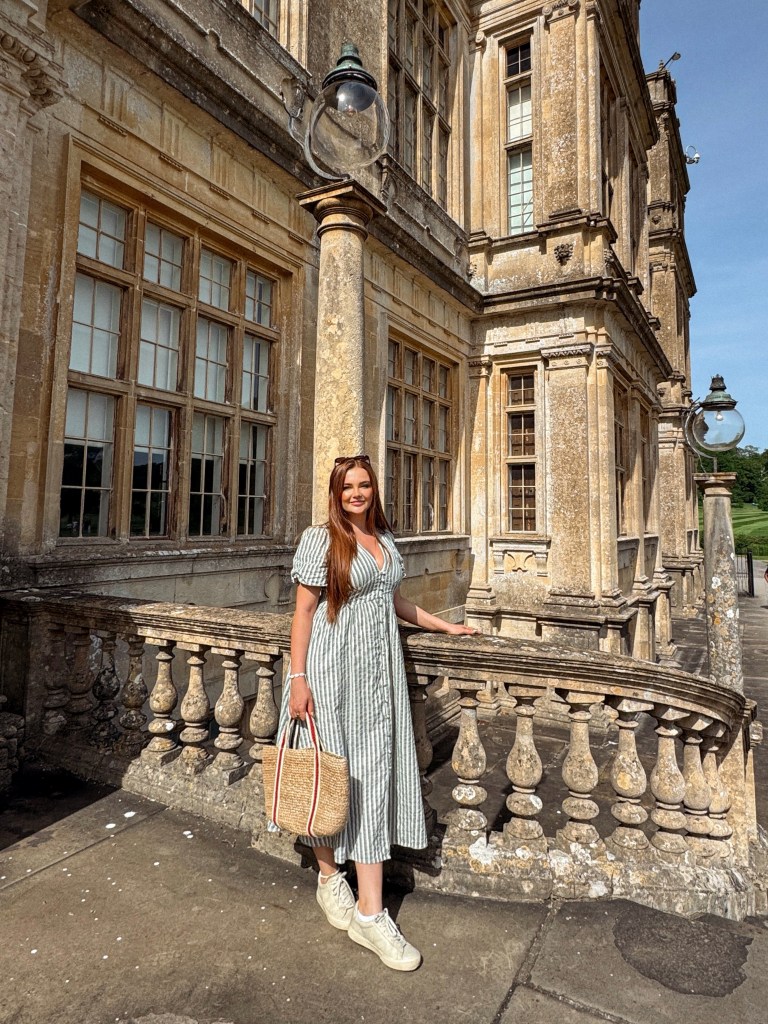
Thynne initially converted the remains of the old priory into a residence, but in 1567 disaster struck when much of it burnt down. Rather than patching it back together, he decided to start again and build something considerably grander, resulting in the vast Elizabethan mansion we see today.
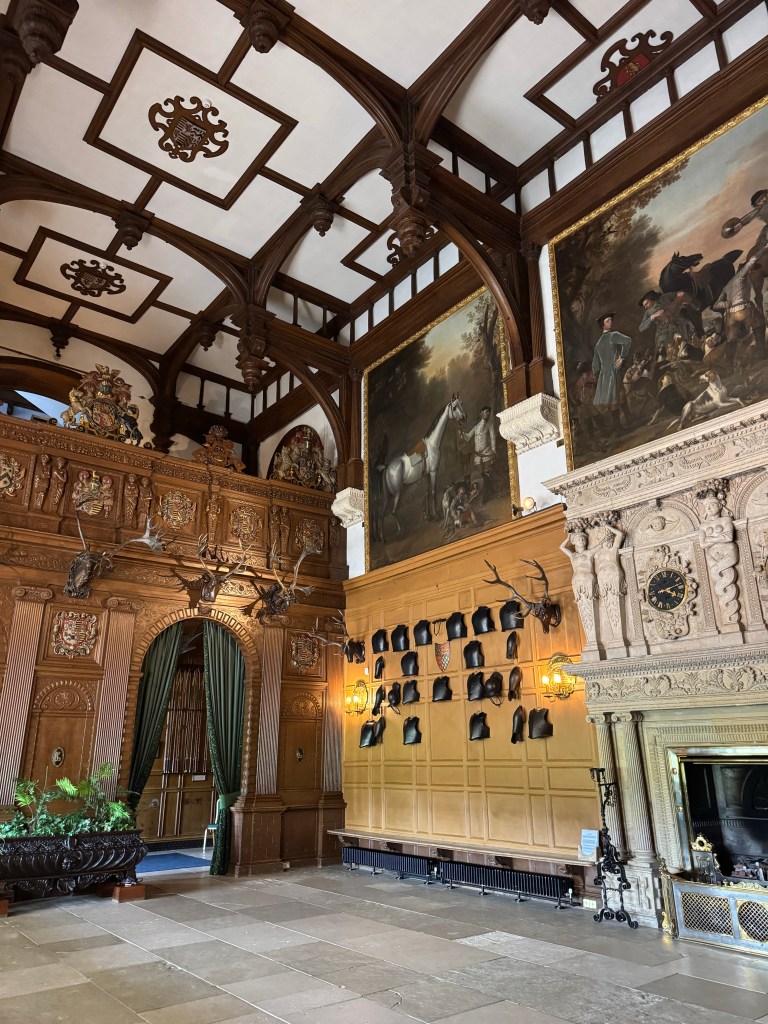
Robert Smythson, one of the great names of Elizabethan architecture, was among those associated with Longleat’s construction. He later worked on Wollaton Hall, which you might recognise as Bruce Wayne’s mansion in The Dark Knight Rises, and Hardwick Hall, better known to Harry Potter fans as the Malfoy Manor. If you’ve been to either, you’ll immediately notice the similarities: enormous windows, perfect symmetry, elaborate classical detailing and the unmistakable sense that the person who built it wanted everyone within a ten-mile radius to know that he had made it.
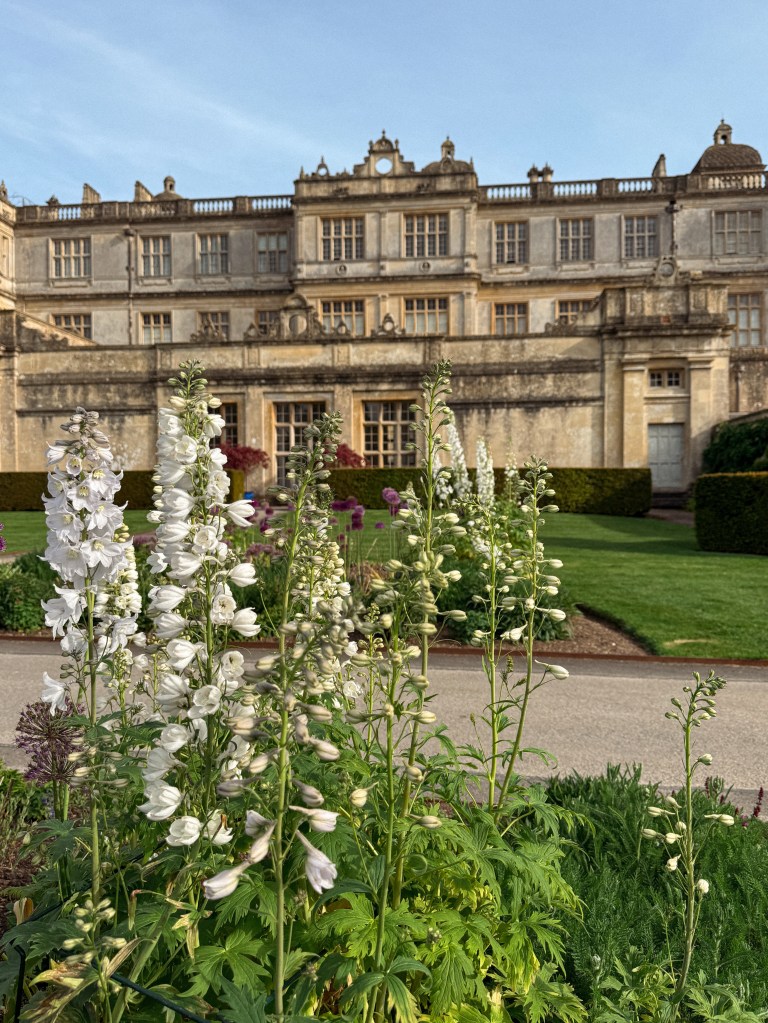
Longleat is particularly impressive because it was built at a time when Renaissance architecture was still relatively new to England. Its facade is arranged using the classical orders and covered with huge expanses of glass, which was staggeringly expensive in the 16th century. Medieval aristocrats had built castles to keep people out, but Elizabethans preferred enormous windows so everyone could see how well they were doing.
Climbing the Social Ladder
The Thynnes continued their meteoric rise in society long after Sir John died in 1580. Over the next two centuries, his descendants accumulated more land, more political influence and, naturally, increasingly grand titles. They became baronets, then Viscounts Weymouth, before Thomas Thynne, 3rd Viscount Weymouth, was created the 1st Marquess of Bath by George III ‘the mad king’ in 1789 (the year after the King’s first bout of madness – funny coincidence that… but hey we’ve all had a bout of madness that we remarkably recovered from, *wink, wink, wink*).
In around 250 years, the family had managed to go from relatively modest Gloucestershire gentry to the very top of the British aristocracy, complete with an enormous Elizabethan palace and thousands of acres of land. A fairly impressive bit of social climbing, even by British standards.
The Garden Makeover
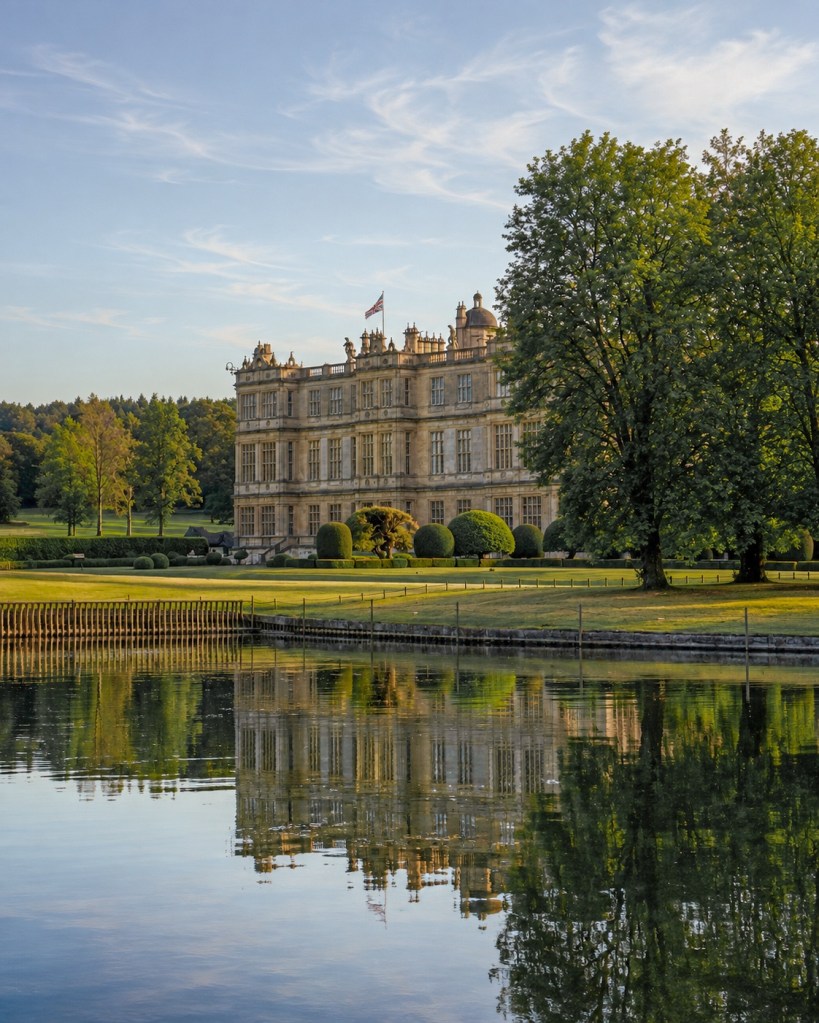
By the middle of the 18th century, Longleat House was suitably magnificent, but the gardens were beginning to look rather unfashionable. The aristocracy had tired of rigid formal gardens and developed a taste for countryside that looked wild and natural, provided, of course, that somebody had spent an absolute fortune making it look that way.
In 1757, the 4th Viscount Weymouth brought in Lancelot “Capability” Brown, who was essentially a celebrity landscape gardener (our contemporary equivalent of Monty Don, but more high brow). Brown swept away much of the existing formal landscape and replaced it with the rolling lawns, sweeping views, carefully positioned trees and expanses of water. His genius was essentially making extremely expensive gardens look as though they had always been there.
Longleat was altered again in the early 19th century, when Humphry Repton was consulted on the landscape and architect Jeffry Wyatville made substantial changes to the house and estate. Like most stately homes that have remained in the same family for centuries, Longleat is therefore something of an architectural layer cake, with successive generations changing whatever their parents and grandparents had spent a fortune getting just right.
Enter, the Victorians
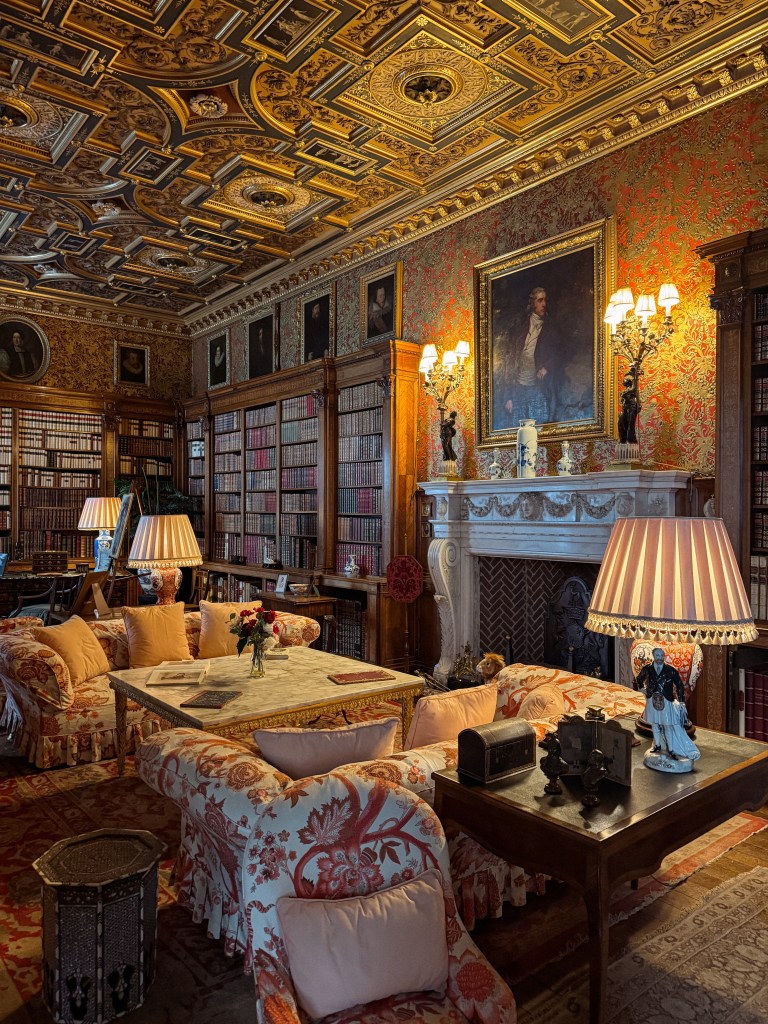
The Victorians, being the maximalists they were, inevitably decided that the interior of Longleat could do with a bit more flair. During the 19th century, parts of the interior were extensively remodelled, most notably by John Dibblee Crace, whose family firm worked on some of the grandest interiors in Victorian Britain, including the Palace of Westminster.
This is one of the things I love about Longleat. Despite the magnificent Elizabethan exterior, inside it isn’t a perfectly preserved Tudor time capsule. Instead, you wander through several centuries of changing aristocratic taste, from Elizabethan grandeur to Georgian refinement and full-blown Victorian excess. It feels like a house that has actually been lived in, rather than one that somebody has rather too carefully arranged for a period drama.
Enter, Taxes…
By the early 20th century, however, owning an enormous country estate had become considerably less fun. Agricultural incomes declined, domestic labour became more expensive and two world wars were followed by increasingly heavy taxation and death duties. Across Britain, aristocratic families suddenly found themselves responsible for enormous houses containing hundreds of rooms, miles of roof and heating bills that presumably required a stiff drink before opening.
Hundreds of country houses were demolished during the 20th century because their owners simply couldn’t afford them anymore. Longleat survived, but when Henry Thynne became the 6th Marquess of Bath in 1946, he inherited a magnificent house and the equally magnificent problem of how on earth to pay for it.
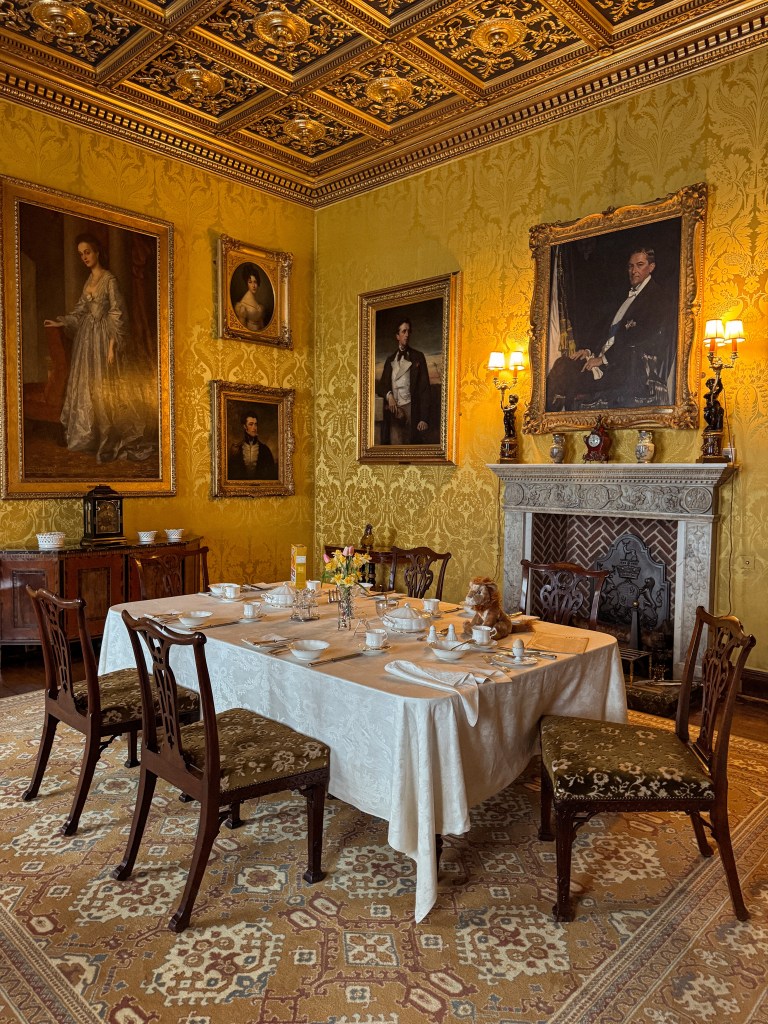
His solution was remarkably forward-thinking. In 1949, he opened Longleat House to paying visitors, making it one of the first privately owned stately homes in Britain to properly embrace my coined phrase ‘Aristourism’. Suddenly the general public could wander around rooms that for centuries had been the exclusive preserve of the family and their guests, while conveniently helping to pay for the roof.
From Stately Home to Safari Park
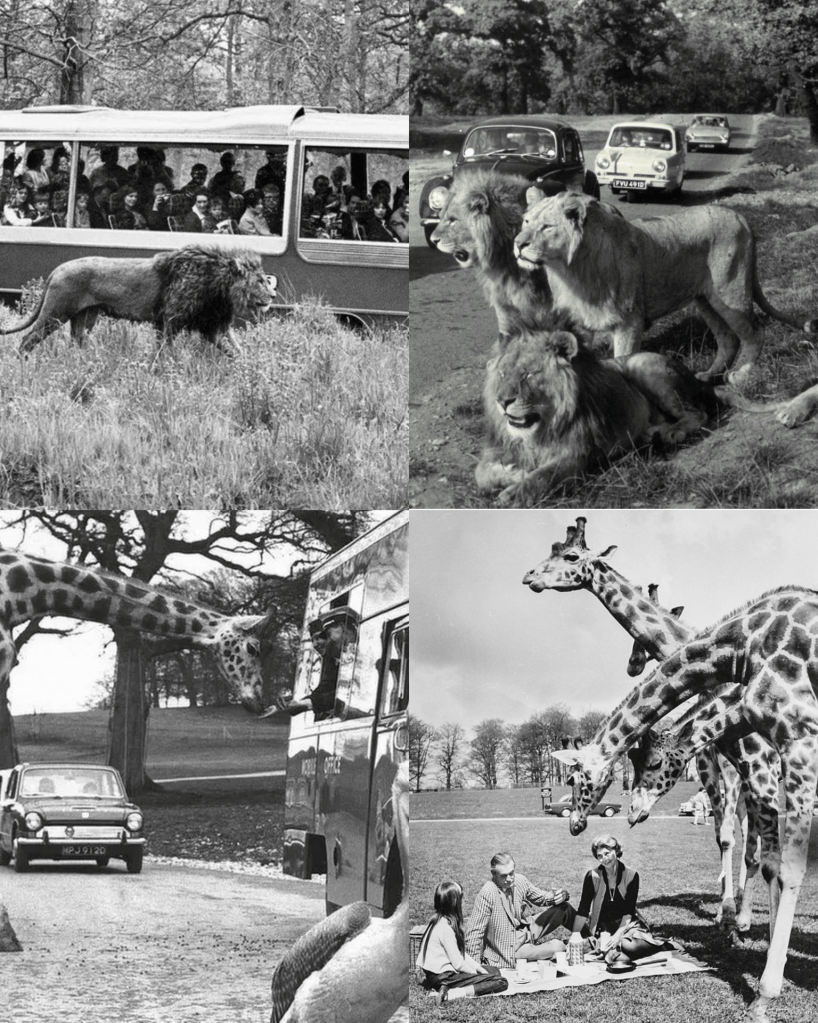
Opening the house helped, but what Longleat really needed was something that would bring people through the gates in serious numbers. In the 1960s, the 6th Marquess teamed up with circus entrepreneur Jimmy Chipperfield and came up with the wonderfully mad idea of allowing lions to roam around part of the estate while visitors drove through in their own cars.
Longleat Safari Park opened in 1966, becoming the first drive-through safari park outside Africa and causing something of a sensation. Unsurprisingly, not everyone was delighted by the prospect of lions wandering around Wiltshire. Local farmers worried about what might happen if one escaped, while allowing families to drive their Ford Cortinas directly through a lion enclosure was considered by some to be completely insane.
It turned out to be a stroke of genius. The public flocked to Longleat, the safari park became enormously successful and more animals gradually arrived. The estate that had once depended on monastic wealth, Tudor patronage and enormous tracts of agricultural land had found an entirely new way of paying its bills.
However, finally enough this wasn’t actually the first time exotic animals roamed this estate – the first menagerie was actually installed in the early 1700s by the 2nd Viscount Weymouth – gallops in the family, hey!
The Animals at Longleat
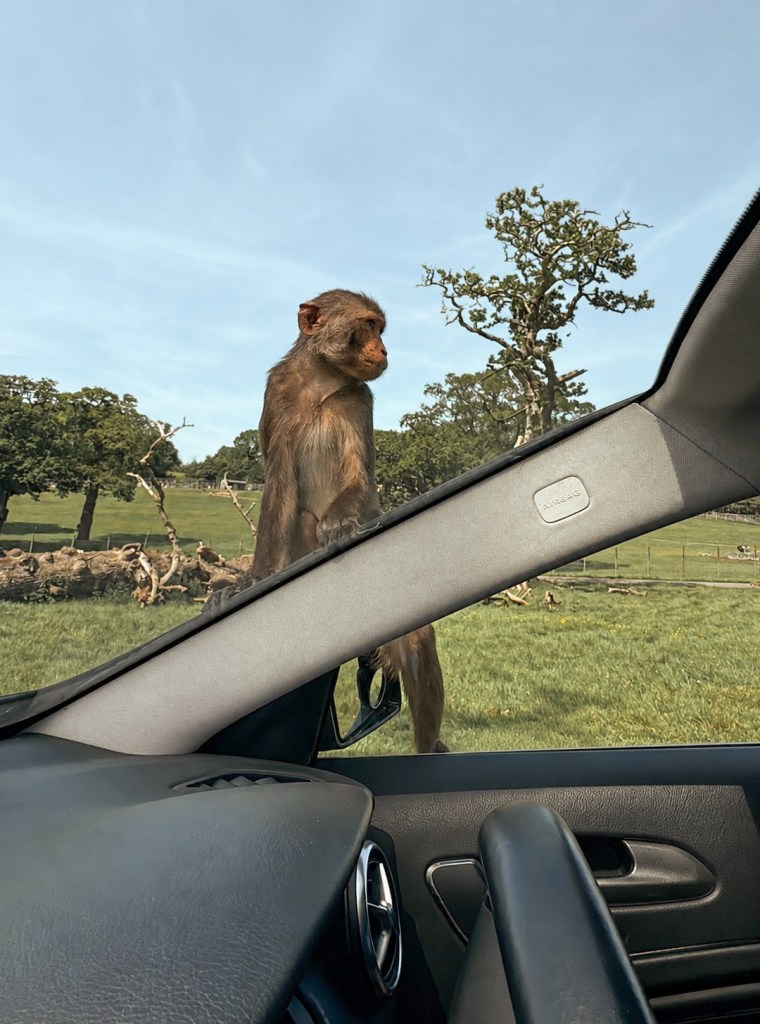
Of course, most people come to Longleat for the animals, and there are more than 120 species scattered across the estate. The main safari drive takes you past some of the headline acts, including lions, tigers, cheetahs, giraffes (which you can feed), rhinos and wolves, many of which roam in large open enclosures rather than being viewed from behind the bars of a traditional zoo. The lions are particularly magnificent, although perhaps the most notorious residents are the rhesus macaques in Monkey Drive Through, who have developed something of a reputation for dismantling visitors’ cars with remarkable efficiency.
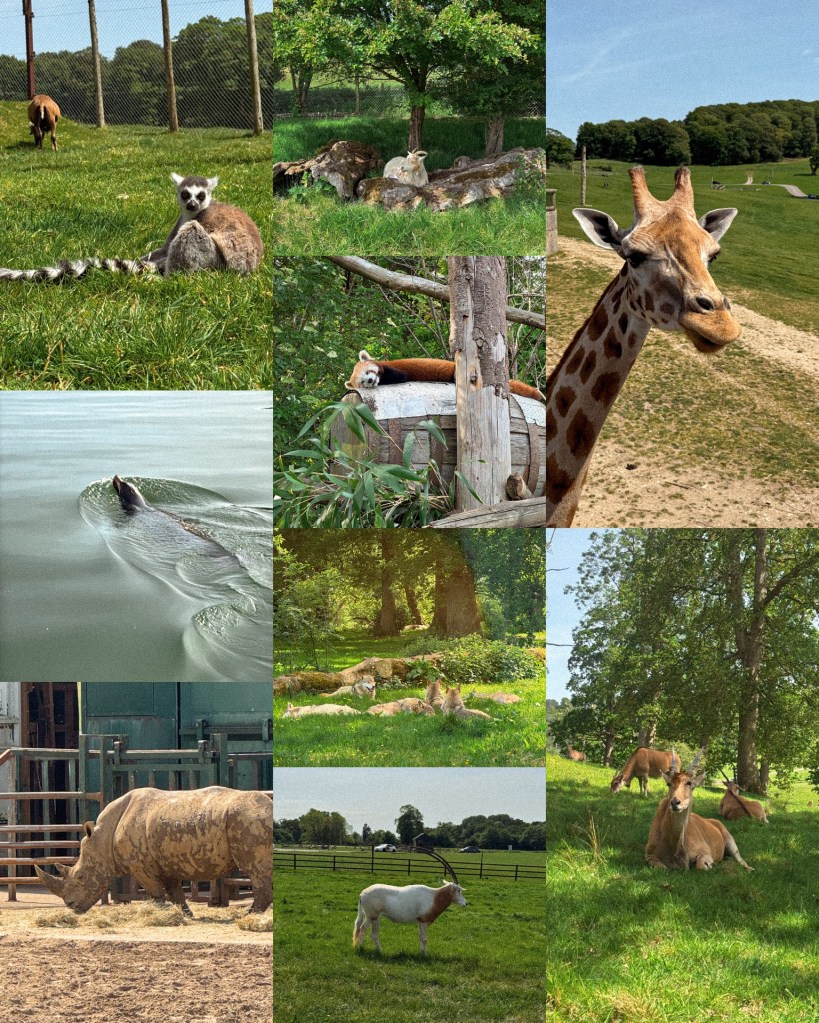
Elsewhere, you can see everything from gorillas and koalas to meerkats, crocodiles, red pandas and giant otters, while a boat trip across Half Mile Pond takes you past the gorilla colony and gives you the chance to spot the resident hippos and witness the feeding of the sea lion colony, which was a real highlight.
It is an extraordinary collection, and there is something wonderfully surreal about spending the morning admiring one of England’s finest Elizabethan houses before finding yourself, a few hours later, sitting in traffic behind a gazelle.
Longleat Today
Today, Longleat remains the seat of the Marquesses of Bath and is still associated with the Thynne family more than 480 years after Sir John acquired it. What began as an Augustinian priory became an Elizabethan palace, then the centre of a great aristocratic estate and finally one of Britain’s most famous safari parks.
Perhaps the reason Longleat has survived when so many other country houses did not is that it has never been afraid of reinvention. Every generation seems to have done something slightly outrageous with it, whether rebuilding the entire house, redesigning thousands of acres of countryside or introducing African lions to rural Wiltshire. Considering Sir John Thynne built his fortune by spotting an extraordinary opportunity and running with it, I suspect he would have understood the safari park perfectly well.


Leave a comment