
I have been a staunch enthusiast of visiting stately homes and castles since I first moved to London. There is nothing better than spending a Saturday admiring silk tapestries, learning about the sordid affairs and exploits of the landed gentry, and ending the day with a walk on the grounds and a refreshing drink at a timber-framed pub. I love it so much it is practically a sport for me – and unless someone has copyrighted the term already, I propose to call it ARISTOurism.
To my great despair, many National Trust properties / private estates close over winter or are only partially open (with access usually limited to some desolate gardens). Yet, winter is also a fantastic opportunity to visit places that are often far too busy to visit enjoyably in other months, so here are my top recommendations:
1. Hampton Court Palace
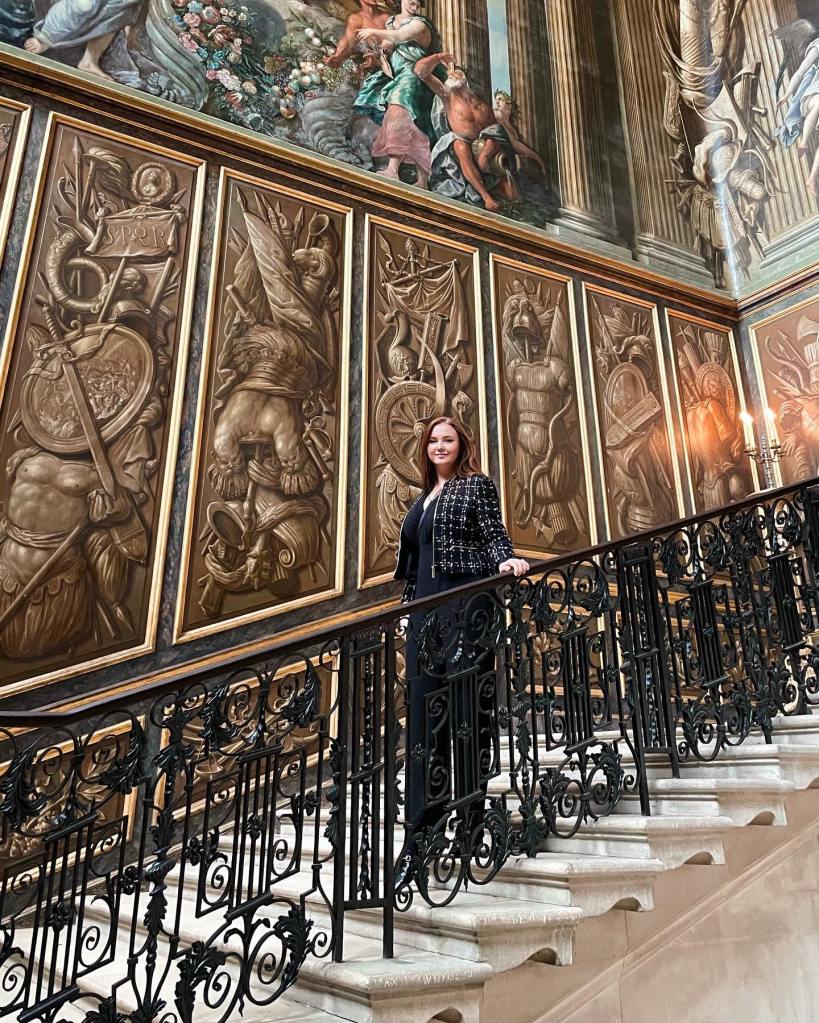
For a history lover there is nowhere quite like Hampton Court which was once the royal Tudor palace of King Henry VIII. Walking through the corridors knowing that it the same place where some of the most dramatic historic events happened gives me goosebumps. Some say it’s haunted, with the ghost of Henry’s 5th wife who he had beheaded still running down the same corridor begging the king to be spared from her death sentence.
By the way here’s the easy rhyme to remember the wives of Henry VIII:
- Divorced (Catherine of Aragon)
- Beheaded (Anne Boleyn)
- Died ( Jane Seymour)
- Divorced (Anne of Cleves)
- Beheaded (Catherine Howard)
- Survived (Catherine Parr)
We are very lucky to have the surviving medieval structure, because a big chunk of it was upgraded to Baroque architecture (as Tudor architecture became outdated) by William & Mary. Somewhat luckily for us they died before completing all their renovations.
Nearby lunch spots:
- The Mute Swan or The Prince Of Wales for a pub lunch
- Sakura Yakiniku for Japanese
2. Blenheim Palace
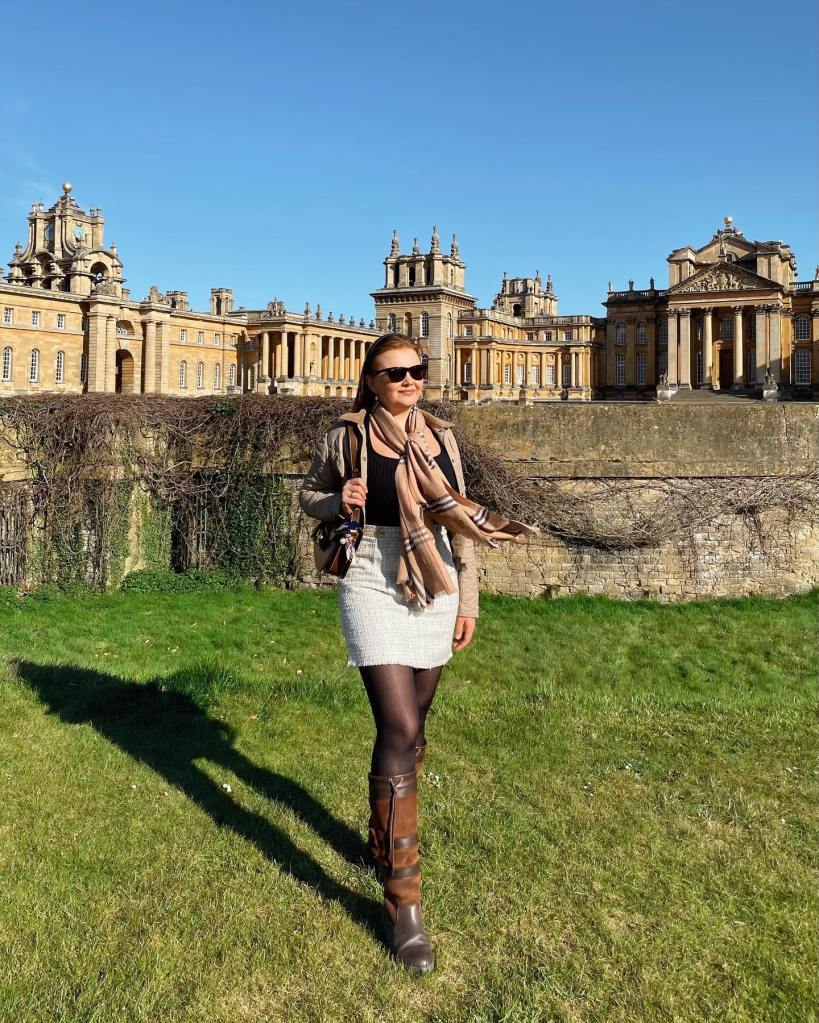
Blenheim palace is one of England’s largest houses, built in rare English Baroque style in early 1700’s. It is widely considered to be “the real Downton Abbey” and is the only non-royal country house in England to hold the title of ‘palace’.
It was in part funded by Queen Anne as a reward to John Churchill, 1st Duke of Marlborough for his military triumphs in defeating the French and Bavarians in the War of the Spanish Succession in the Battle of Blenheim.
It is also the birthplace and ancestral home of Sir Winston Churchill, although funnily enough he was never meant to be born there, but a “rather imprudent and rough drive in a pony carriage brought the birth two months early” however, it couldn’t have been brought in nicer surroundings! If you go inside you can still see some of Churchill’s personal artefacts.
Nearby lunch spots:
- The Woodstock Arms very cosy pub where I once had some very delicious sweetbreads. There are also a number of other pubs and hotels in Woodstock which is a very pretty upmarket village.
3. The Royal Pavilion
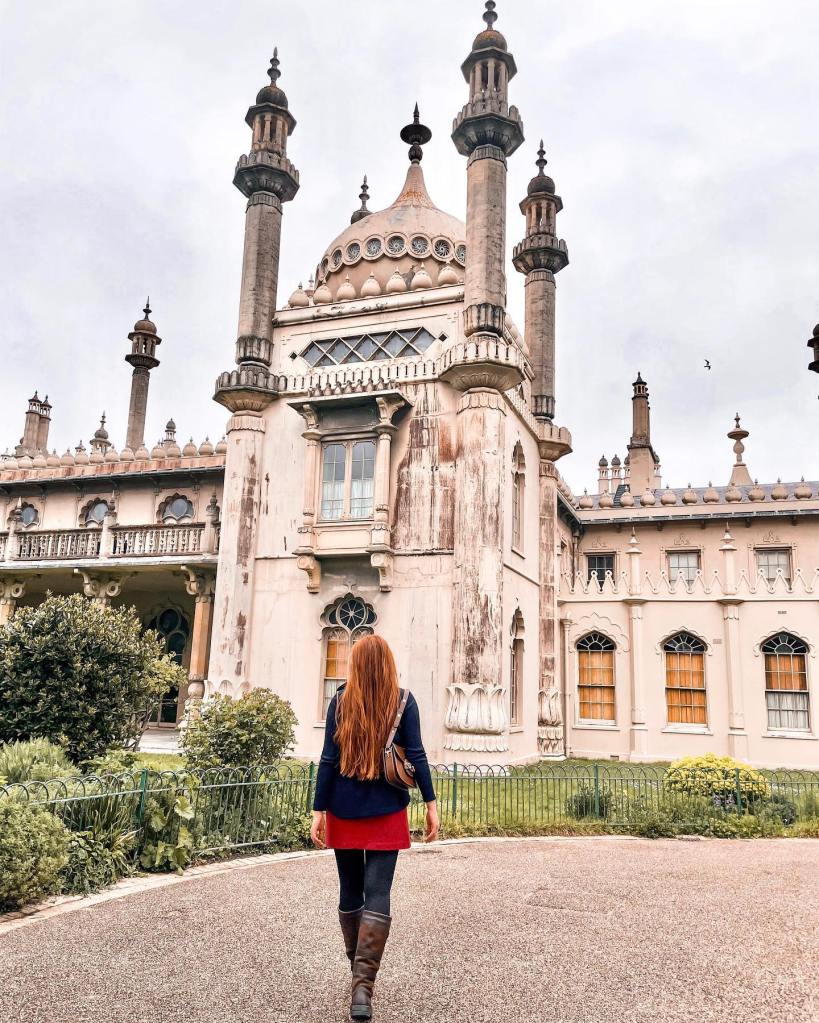
The Royal Pavilion in Brighton was built in the late 18th century as a holiday home for George IV who served as regent during King George III’s mental illness. He was quite the playboy and was heavily criticised by the public for his debauchery.
Shortly after the Prince visited Sezincote, a country estate in Gloucestershire built in Neo-Mughal style, he commissioned John Nash to build the Royal Pavilion in a similar Indo-Saracenic style.
The interiors say a lot about George IV’s extravagant and ostentatious character – but the congeries of Chinese, Mughal, and Islamic styles seem to somehow complement each other.
Also make sure to look out for the dragon chandelier! 🐉
Nearby lunch spots:
- Hipster 64 Degrees or the stylish Flint House (both Michelin recommended)
- Petit Pois for cosy French food
4. Tower of London

Did you know that technically there is no “Tower” of London, it is in fact a fortress made up of 21 different towers, with a central keep and an inner and outer ward.
To name a few, the Martin Tower stored the Crown Jewels, the Salt Tower stored salt (a luxury used only by the nobility in the Middle Ages) and the Beauchamp Tower and Bloody Tower is where prisoners awaited their sentence.
And of course, the most famous being the White Tower, which is one of the largest keeps in Christendom. This was commissioned in 1066 by William the Conqueror to be both the strongest part of the complex but also a comfortable residence for royalty.
The White Tower includes St John’s Chapel, which was built in the year 1080 with stones imported from France.
It’s a truly remarkable piece of English history and we’re so lucky that it has survived!
Nearby lunch spots:
All the restaurants around the Tower of London are dreadful tourist traps. I would recommend walking for 15 minutes to either:
- Spitalfields Market if you’re venturing up north and are after some street food. For a sit down there is Noodle & Beer and Soma Saa.
- If you’re venturing south, head over Tower Bridge straight for Borough Markets. It is very popular (especially on weekends) so expect to queue and it is also a bit overpriced, so expect to get ripped off. I will do a seperate post on the best stalls at Borough, but if you’re looking for a nice place to sit down, with delicious hearty food go for Berenjak.
5. Leeds Castle
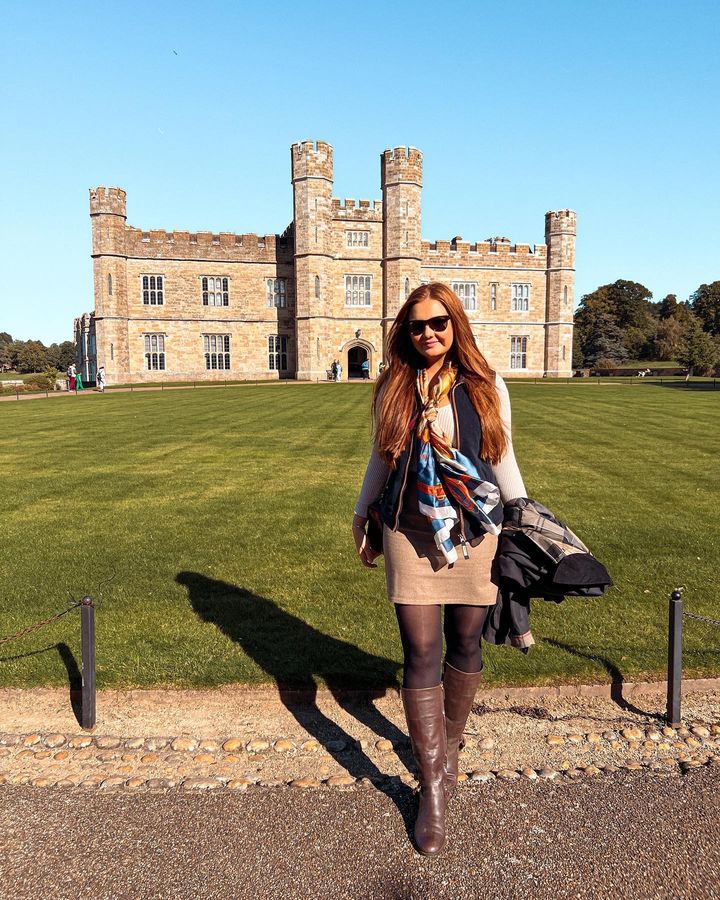
Leeds Castle in Kent, is surrounded by a natural lake and dates back to 857. Listed in the Doomsday Book as a Saxon Manor called Esledes, which translated to ‘Leeds’ in English it served as a lavish royal retreat for hundreds of years.
It is often referred to as “The Castle of Queens” due to the fact that 6 queens had their primary residence in the castle during the Middle Ages. These were Eleanor of Castile, Isabella “The She-Wolf of France, Philippa of Hainault (wife of Edward III), Joan of Navarre, Catherine de Valois, and Catherine of Aragon (first wife of Henry VIII).
There are simply too many stories to tell about this castle and its fascinating inhabitants, so I suggest everyone goes there for a day trip to learn more – just don’t end up in the city of Leeds!
Nearby lunch spots:
- Fish on the Green (two AA Rosettes, and Michelin recommended)
I hope this gives some of you a bit of inspiration to get out of the house this winter. Also make sure to look out for my upcoming post on the Best Cathedrals & Churches to visit. Unlike the National Trust these are open virtually all year long and are very fortunate to have some of the oldest Gothic and Roman cathedrals in Europe.

 Ever so British
Leave a comment