
Wine can be a confusing and intimidating drink, but as I have recently learnt – many people think they know a lot more about wine than they actually do. Once you open Pandora’s box you realise just how many different grape varieties and regions there are – and it is impossible to know them all.
After taking WSET Level 1 and 2 and watching a bit too many Jancis Robinson videos, here is what I’ve found out about the humble libation…
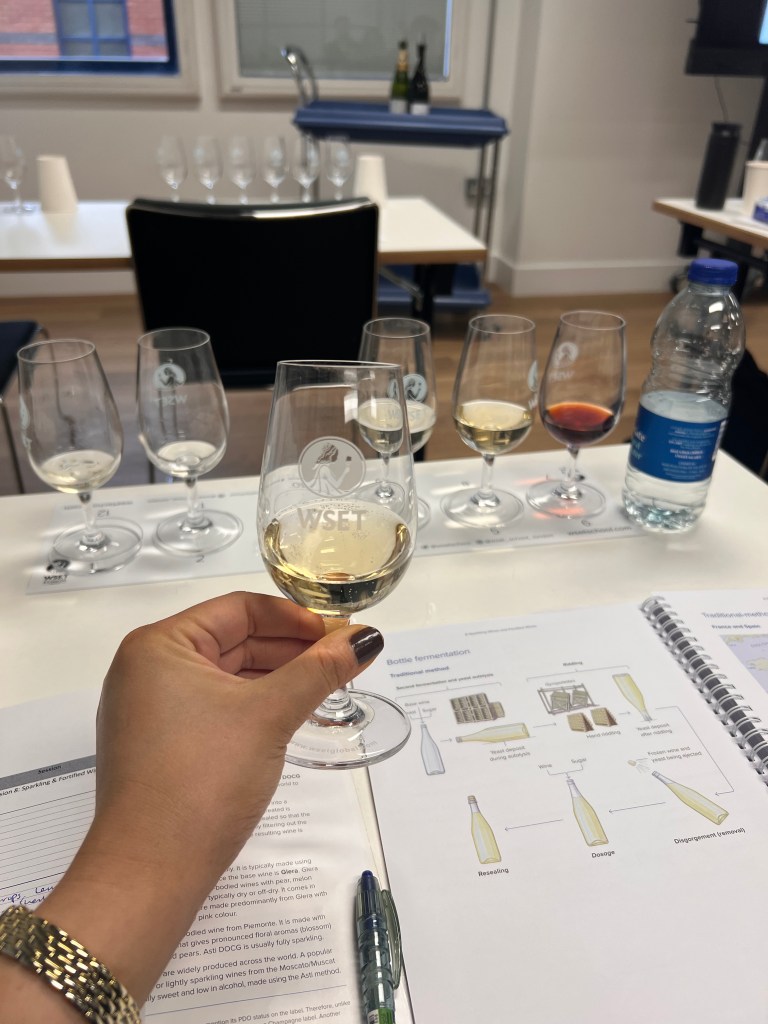
1. Tasting wine
You just bought a £48 bottle of wine. The waiter asks who would like to taste it. You take a sip and say it’s delicious. WRONG! When you are asked to taste wine at a restaurant, it is not about evaluating its flavour. If you don’t like it – tough luck!
Your only aim is to verify that it’s a correct vintage (for example if you ordered a 2018 wine and they bring out a 2021 you will be cheated of a few vital years of aging which helps more complex flavours develop) and check that it hasn’t been ‘corked’ which is a fault in wine caused by a fungus that lives in the cork of a wine and has the smell of wet cardboard (fairly uncommon and not the fault of the wine producer, but can sometimes be found in very old wines that haven’t been stored properly.)
I used to think that tasting the wine in a screwcap wasn’t even necessary, but actually there can be some other faults that happen in the bottle such as premature oxidation and reduction (a sulfur-related fault), so look out for that too!
William Hansen says you don’t need to taste the wine at all, just to sniff it, but I disagree – if a wine is heavily oxidised you might not even be able to smell anything at all. Here is my method of tasting:
- One quick swirl
- Lift to your nose and give it a sniff
- Quick small sip
- One confident nod followed by ‘Perfectly fine’
I have had more wine in restaurants than in the cellars of Berry Brothers, and have never once had a wine that was off. It is only likely to happen if you’re buying a very old wine, but frankly I don’t know why you would do that with a meal at a restaurant and not in the comfort of your home, next to a roaring fireplace – opening a good wine is a whole occasion in itself.
2. Wine corks vs Screw Caps & Vintages
Surprisingly, neither the type of wine stopper nor the age of the wine is a sign of quality. For example, a young Riesling with a screwcap can be far superior to an aged Chardonnay with a cork. The quality depends on the grape type and the region it comes from. Dry white wines and rosé that aren’t aged won’t have a cork, and even some lighter young red wines like Beaujolais and Pinot Noir. So, don’t be put off!
Corks are technically not necessary for aging wine, and as I mentioned above, the fungus in the cork can ruin the wine. Many ‘new world’ wines have embraced screwcaps with lining that allows the wine to interact with oxygen which helps develop flavours overtime. However, many consumers still prefer corks because they look more traditional and I do agree that uncorking a fine bottle of wine adds to the ceremony.
When considering a wine with high tannins, such as Cabernet Sauvignon, the vintage significantly influences the development of its flavours and texture. As the wine matures, the harshness of the tannins softens, allowing the complex flavours to evolve. However, if you’re new to wine don’t try to age these at home without a bit of prior research – some wines are not designed to age and if you buy cheap plonc-de-plonc from your local supermarket it won’t really improve that much no matter how long you store it for!
3. Wine glasses
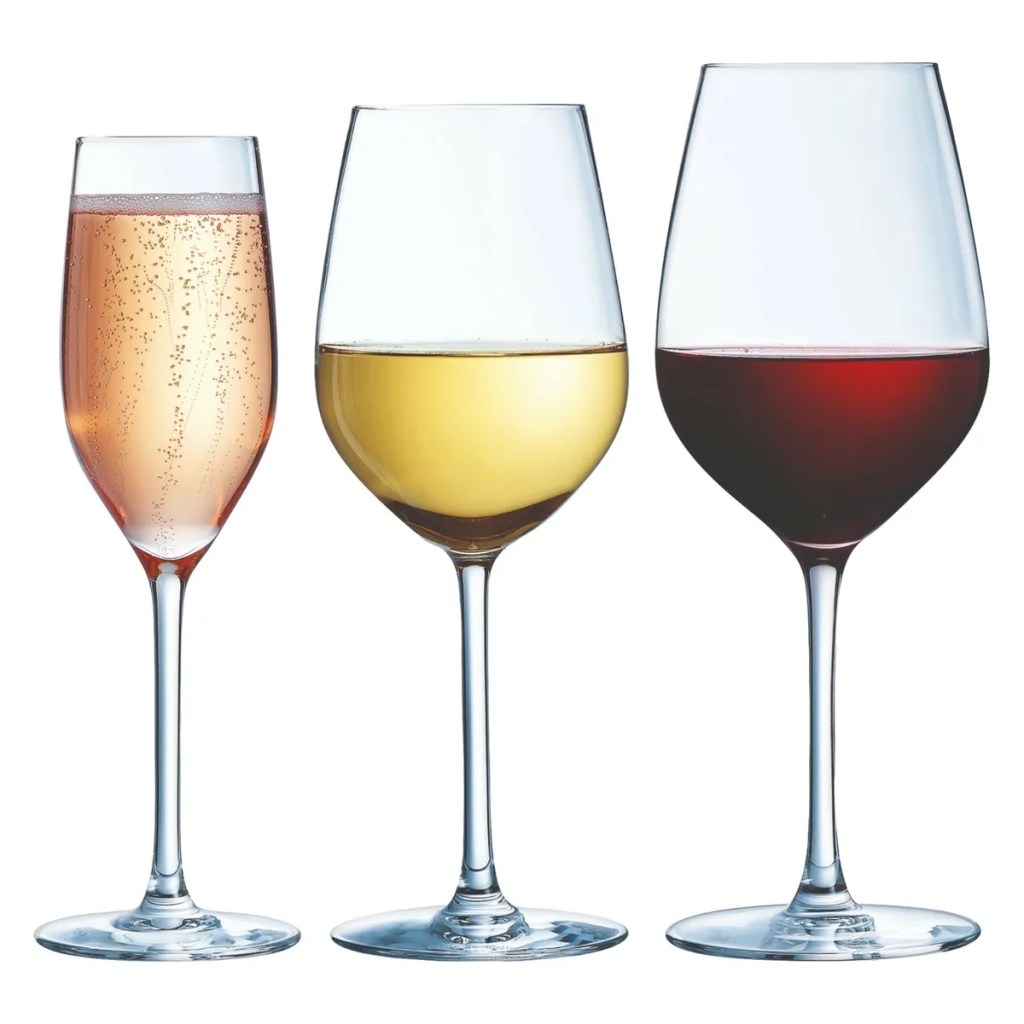
There is a common misconception about which wines you should serve in certain glasses. It’s all nonsense! If you’re a proper wine snob, you will have your wine in the cult classic crystal ‘Zalto Denk Art Universal Red & White Wine Glass‘, which is designed for all wines, including sparkling wines. This is because it doesn’t matter if a wine is red, white, or sparkling – it still needs the same amount of space to let the flavors develop. However, practically, they are very expensive, a pain to clean, and can’t go into the dishwasher – so I usually use my set of antique crystal-ware glasses – you can find these at most antique stores and they’re very durable.
If you’re at a formal dinner, you will still find three different glasses for sparkling, white, and red wine. I speculate that this is done so the waiters know which glass to pour into and also to have people drink slightly less sparkling/white wine, which is typically served with a starter course.
Always hold your wine glass by the stem (putting your hands on the rounded side will cover it in thumbprints and warm up the wine). Etiquette tip – you really don’t need to clink glasses when you toast. Simply raise your glass and say ‘cheers’ or ‘to good health’ ‘the king’ ‘to Emily (or whichever friend you’re toasting to)’. Fun fact: Clinking glasses is a historic tradition from medieval times when men would clink their ales together and the splash it created would show it wasn’t poisoned as a mark of trust, nowadays it can break glasses if done too roughly, but has permeated as a modern tradition.
4. Wine grapes vs regions
This is the confusing part and why I spent a bunch of money on wine courses – wines around the world are usually classed by their grape, but in France they are classed by their region. I will make a whole new post dedicated to this. If you’re new to wine you, here’s a very high level breakdown of the top white & black grapes that make white/red wine:
White Grapes:
- Chardonnay:
- Profile: Versatile and widely planted, Chardonnay wines can range from crisp and unoaked to rich and buttery when oaked.
- Flavors: Green apple, citrus, melon, butter, vanilla (if oaked).
- Sauvignon Blanc:
- Profile: Known for its vibrant acidity and refreshing nature, Sauvignon Blanc produces zesty and aromatic wines.
- Flavors: Citrus (especially grapefruit), green bell pepper, tropical fruits, herbs.
- Pinot Grigio/Pinot Gris:
- Profile: A light and crisp wine, Pinot Grigio is often dry, while Pinot Gris tends to be more full-bodied with a hint of sweetness.
- Flavors: Green apple, pear, citrus, almond.
Other notable grapes include: Riesling, Chenin Blanc, Sémillon, Furmint, Gewürztraminer, Viognier, Albariño, Cortese, Garganega, Verdicchio, and Fiano.
Red Grapes:
- Cabernet Sauvignon:
- Profile: Known for its bold structure and aging potential, Cabernet Sauvignon produces full-bodied wines with firm tannins.
- Flavors: Blackcurrant, blackberry, cedar, tobacco, and sometimes green bell pepper.
- Merlot:
- Profile: Merlot wines are generally softer and more approachable than Cabernet Sauvignon, often with a rounder texture.
- Flavors: Plum, cherry, chocolate, herbal notes.
- Pinot Noir:
- Profile: Pinot Noir is celebrated for its elegance, with lighter body and delicate flavors.
- Flavors: Red cherry, strawberry, rose, sometimes earthy or mushroom notes.
- Syrah/Shiraz:
- Profile: Syrah tends to produce bold and robust wines, while Shiraz (the Australian name for the same grape) often results in richer, fruit-forward styles.
- Flavors: Blackberry, plum, pepper, smoked meat.
Other notable grapes include: Zinfandel/Primitivo, Gamay, Grenache/Grenacha, Cabernet Franc, Tempranillo, Carmanere, Malbec, Pinotage, Nebbiolo, Barbera, Corvina, Sangiovese, and Montepulciano.
5. Buying wine
The most important thing with buying wine is knowing what you like. There is no point buying an exceptional wine that doesn’t suit your taste preferences and there’s truly no right or wrong answer – everyone’s palette is different. Saying that, I have noticed a pattern that the less processed food you eat growing up the more likely your palette will lean towards dryer (less sweet) wines. There is definitely a link there that hasn’t been studied yet! I would also really recommend learning about the different regions, particularly France and Italy, and visiting some vineyards if you’re a beginner.
If you’re buying wine at a restaurant and don’t want to be scammed out of your money I would recommend going for a region outside of France. The good French wines will typically be very overpriced for the quality, but ‘New world’ (so called because they have only started producing wines in recent history, compared to the likes of France) such as wines from Chile or South Africa are usually undervalued (due to the cheap labour..) and their consistent climate makes good quality, reliable wines.
If you want to buy decent quality wines I would recommend The Wine Society (only £20 for a lifetime membership!) or going directly to an established wine merchant like Berry Bros. & Rudd, Corney & Barrow, Lay & Wheeler. If you’re buying a cheaper wine for a casual Thursday night in with a takeaway, sticking to darker reds (rather than whites) from your local Waitrose/M&S is probably better value because they have a longer finish and more body than most whites. Saying that, one of my WSET tutors categorically disagreed with drinking wine with certain foods like curry – for that he recommended to stick to beer!
Light white wines:
- Sauvignon Blanc – crisp, aromatic, often gooseberry/citrus (very basic but usually can’t go wrong, especially from New Zealand)
- Dry Riesling – typically light-bodied with high acidity, wonderfully aromatic, ranging from bone-dry to sweet
- Assyrtiko (Greece) – very crisp, dry, mineral and citrusy (a relatively new kid on the block but absolutely delicious, like drinking cold wine out of a mineral chalice)
- Gavi (Italy, Cortese grape) – crisp, elegant, lemony
- Soave (Italy, mainly Garganega) – light, floral, slightly almondy
- Verdicchio (Italy) – fresh, citrusy, slightly herbal
- Vermentino (Italy) – fresh, aromatic, citrus and herbs
- Albariño (Spain) – fresh, zesty, slightly saline
- Muscadet (France) – very light, dry and mineral
- Pinot Grigio (Italy) light, crisp, citrusy (quite common anywhere you go)
Rich, full bodied white wines:
- Chardonnay – particularly oaked Chardonnay, creamy, buttery and full-bodied
- Viognier – rich, floral and aromatic, with peach and apricot
- White Burgundy (Chardonnay) – fuller, complex and often creamy or nutty
- White Rhône – often Marsanne/Roussanne, rich, textured and quite powerful
- Gewürztraminer – intensely aromatic, with lychee, rose and spice
- Chenin Blanc – can be rich and waxy, particularly riper styles
- Fiano (Italy) – quite full and textured, with fruit, herbs and nuttiness
Light red wines:
- Pinot Noir – light-bodied, silky, red cherry and strawberry
- Beaujolais (Gamay) – light, juicy, fruity and very approachable
- Chianti (Sangiovese) – fresh, cherry-led and slightly savoury (one of my favourites)
- Valpolicella – light, fresh Italian red with cherry and herbs
- Barbera – juicy, bright and fruity, with relatively low tannin
- Lambrusco – light and fruity, usually sparkling or semi-sparkling (my absolute favourite!)
Rich, full bodied reds (and no I don’t mean me, wink wink)
- Barolo (Italy, Nebbiolo) – powerful, tannic and complex, with cherry, rose, leather and earthy notes
- Brunello di Montalcino (Italy, Sangiovese) – rich, structured and savoury
- Amarone della Valpolicella (Italy) – very rich, concentrated and warming, with dried fruit flavours
- Primitivo (Italy) – ripe, rich and jammy, with dark fruit and spice
- Cabernet Sauvignon – full-bodied, tannic and typically blackcurrant-led
- Syrah/Shiraz – rich and powerful, with blackberry, pepper and spice
- Malbec – dark, plummy and full-bodied
- Rioja Reserva/Gran Reserva (Spain) – rich and structured, with dark fruit, spice, leather and vanilla
- Châteauneuf-du-Pape (France) – rich, warming and spicy, usually Grenache-led
- Bordeaux blends – structured and complex, particularly those dominated by Cabernet Sauvignon
Storing wine
Lastly, if you’re storing wine, find a cool place with a constant temperature, away from sunlight and direct heat. If you want to invest in a wine long term and don’t happen to have a cellar or a wine fridge, its probably best to store it directly with a wine merchant.
I hope this very basic list at least helps demystify wines which can be a very confusing subject for a lot of people. If you want to learn more about it I would definitely recommend a WSET Level 1 class £185-235 (if you just want to do a day) or a WSET Level 2 class £395-560 (which I recommend spreading over several weeks as there is a lot to learn – do not be tempted to do it over one weekend, it is far too much to cover and you won’t enjoy it unless you’re already a pro). Also note that you don’t need to have passed Level 1 to go into Level 2 and everything in Level 1 is covered by Level 2.
If you don’t have time to take a class or are looking for a cheaper alternative, one of the founders of WSET started his own revision guides ‘Wine with Jimmy’ which covers all the content online (£25 for Level 1, £45 for Level 2) he also runs a great YouTube Chanel.
Jancis Robinson is a behemoth in the wine world and I am a huge fan of hers. Other than her website updates, she also runs a BBC Maestro guide to wine, authored the World Atlas if Wine, and had a very entertaining series from the 90s on wine which is still relevant today, free on her YouTube Chanel.
I will also be running an event at the Caledonian Club in March with a professional wine teacher (targeted at under 40s), so do get in touch if you want to come along!


Leave a Reply