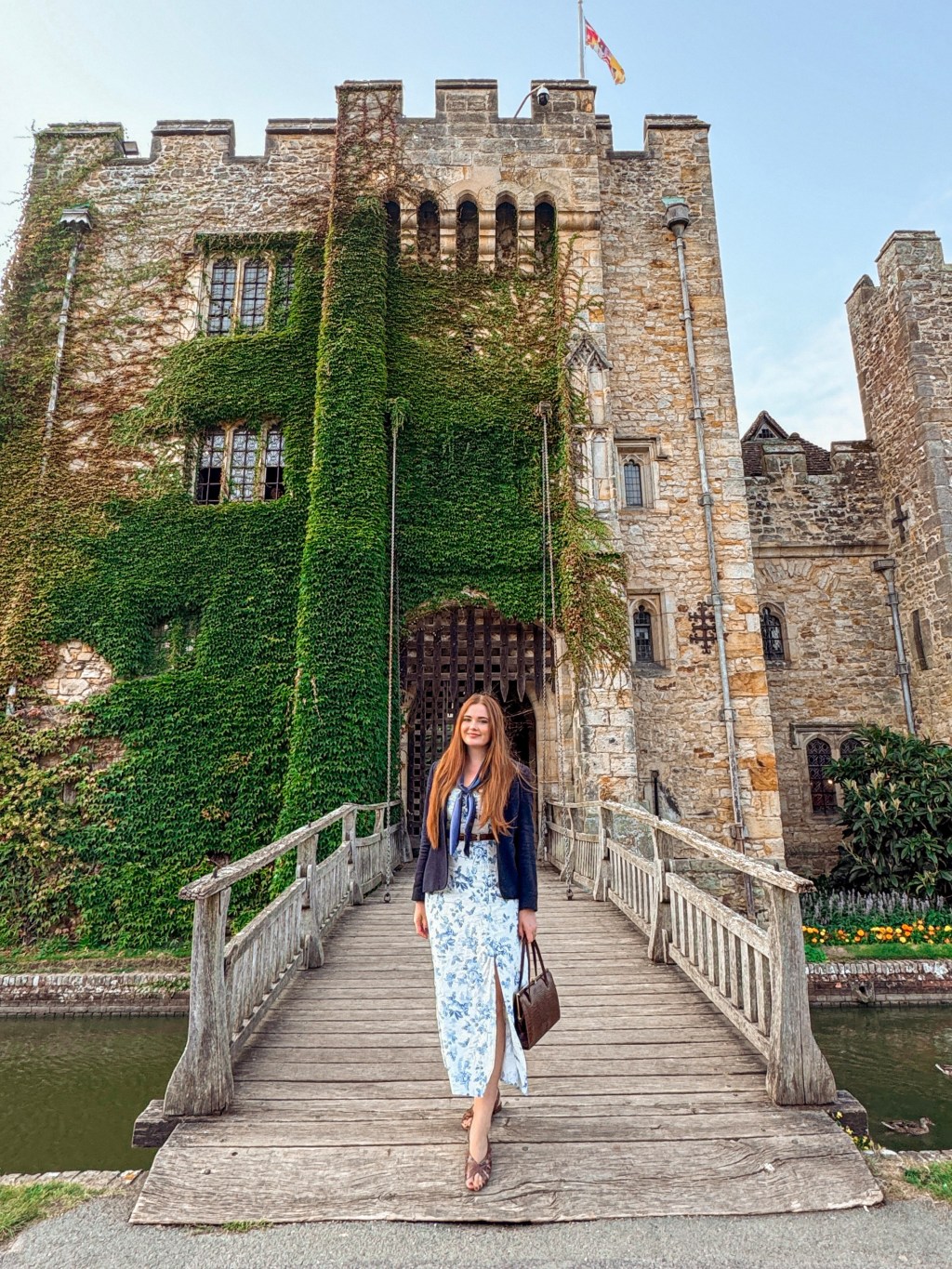
Tucked away in the serene Kent countryside, Hever Castle is not merely a fairy-tale structure reminiscent of a scene from a Disney film; it is also the cherished childhood home of Anne Boleyn, Henry VIII’s infamous second wife, whose marriage ignited a profound ecclesiastical crisis in England.
Henry’s deep infatuation with Anne compelled him to sever ties with the Roman Catholic Church to divorce his first wife, whose sole “transgression” was her failure to bear him a male heir. Tragically, Anne was later executed on charges that are widely considered to be fabricated, leaving behind a daughter, Elizabeth I, who would ascend to become one of England’s most illustrious monarchs.
As you wander through Hever’s exquisitely preserved wood-panelled rooms, it is easy to envision the intense emotions that once played out within its historic walls. Henry VIII himself is said to have visited Hever during his courtship of Anne, and standing in those very spaces offers an almost haunting connection to this pivotal chapter in Tudor history.

The History of Hever Castle
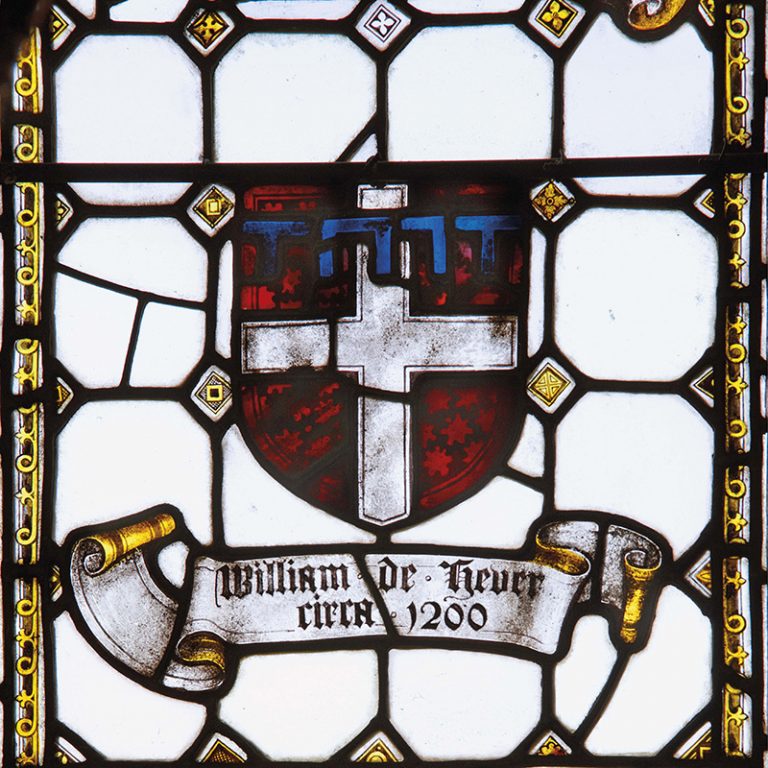
Before 1270, Hever Castle’s history remains largely undocumented, yet it is believed that a simple motte and bailey structure was established to assert control over the area following the Norman Conquest in 1066. In 1270, William de Hever, a descendant of a Norman baron, transformed this original house into a stone castle, bestowing upon it the name we know today.
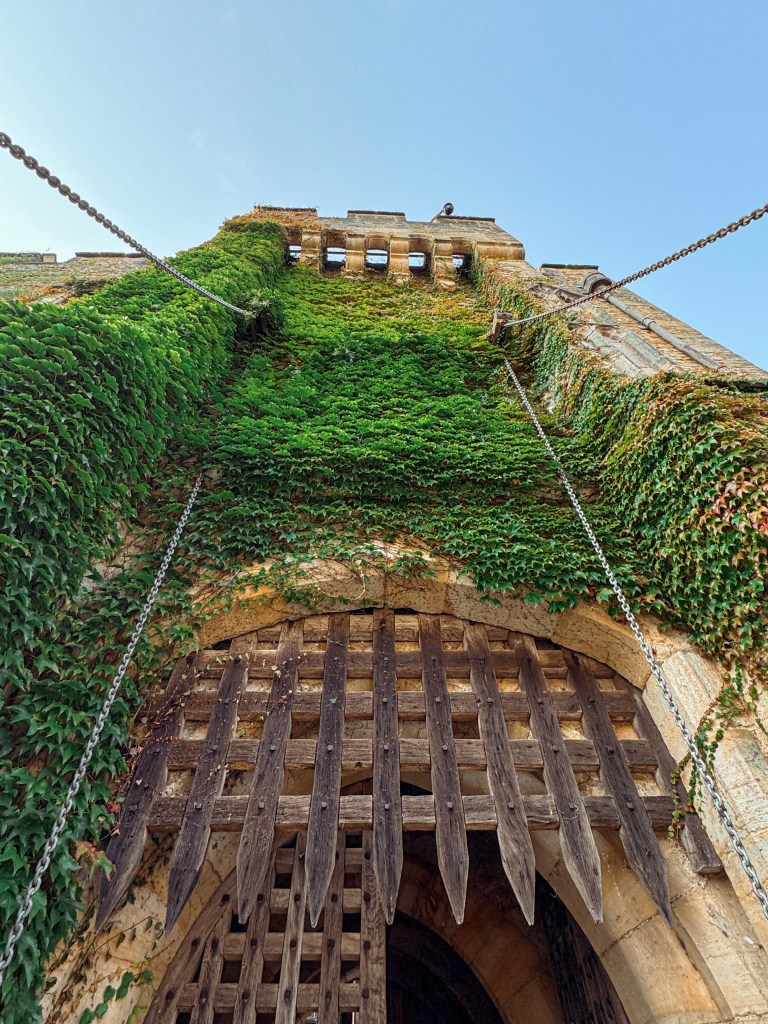
The castle underwent significant transformations beginning in the 14th century, with the construction of the striking sandstone Gatehouse and walled bailey. Under John de Cobham, the castle’s moat, walls, and towers were developed following the receipt of a “licence to crenellate” from Richard II—a royal permit that allowed the fortification of buildings, ensuring that the crown retained control over military defences while bestowing prestige upon trusted landowners.
Hever Castle gained further significance when it passed into the possession of the Boleyn family in the early 15th century. Sir Geoffrey Boleyn, Anne Boleyn’s great-grandfather, purchased the castle in 1462, and the Boleyns magnificently transformed it into a grand family residence, incorporating Tudor brickwork, timber-framed gables, ornate interior woodwork, and expansive mullioned windows.
Following Anne Boleyn’s execution in 1536, Hever Castle changed hands several times, eventually passing to Henry VIII and then to Anne of Cleves as part of their divorce settlement, during which she added an Entrance Hall and Long Gallery.

By the 17th and 18th centuries, modifications such as new fireplaces and sealed windows were made, alongside the construction of a stone bridge, which modernised the estate yet led to a gradual decline in its maintenance.
In 1903, American millionaire William Waldorf Astor acquired Hever Castle and undertook an extensive restoration, reconstructing dilapidated sections and preserving its medieval and Tudor character. Astor also added a “Tudor Village” in 1904 for guest accommodations and expanded the gardens, creating an Italian-style garden that further enhanced the estate’s grand and romantic appeal.
Anne Boleyn’s Time at Hever

Anne Boleyn spent much of her early childhood and teenage years at Hever Castle, likely from around the tender age of 5 or 6 when her father, Thomas Boleyn, inherited the property in 1505. She resided there until approximately 12 or 13, when she was sent abroad for education and courtly training in the Netherlands and France.
Upon her return to England in her early twenties, Anne likely found solace at Hever Castle once more during her courtship with King Henry VIII, particularly when she withdrew from the court to escape the intense political and personal pressures surrounding their relationship. King Henry is known to have visited Hever multiple times during his pursuit of Anne, likely staying in one of the castle’s elegantly appointed bedrooms.
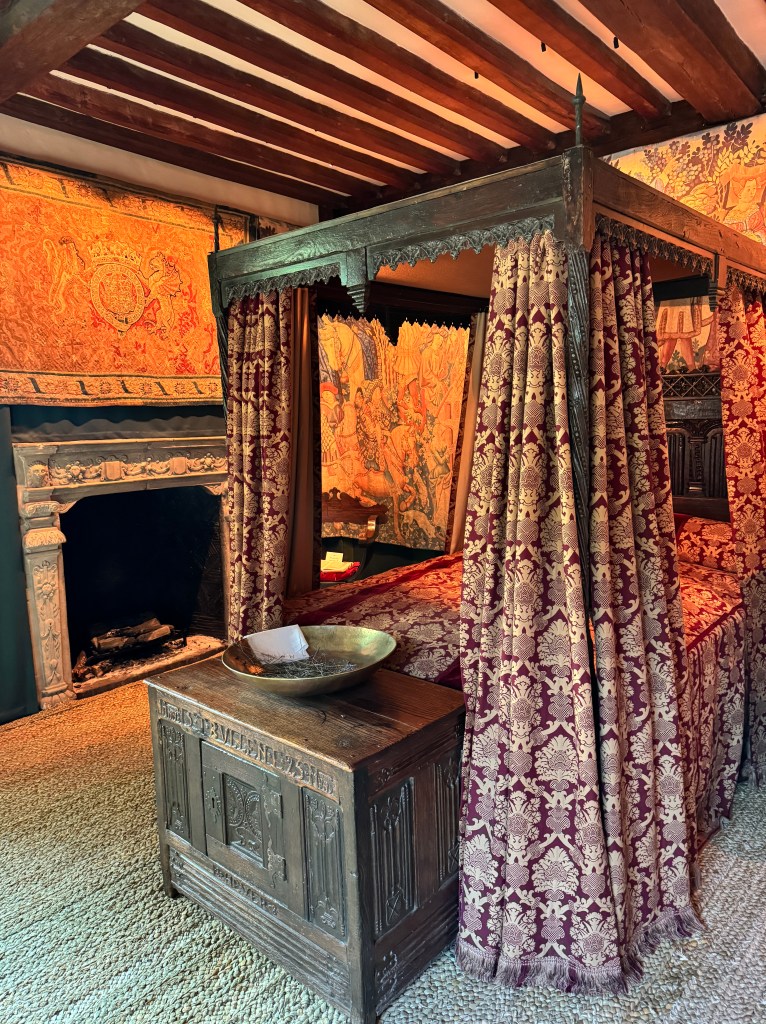
One of these rooms still features a rare 16th-century carved oak bed—rumoured to be where Anne slept. In the Long Gallery, you can admire Anne’s Book of Hours, where she inscribed the poignant Latin phrase, “Le temps viendra” (“The time will come”). While some interpret this as a reference to religious symbolism, others view it as a reflection of her ambitious desire to be queen. Note the last time I went they didn’t have this page open so I didn’t get to see it!
Planning Your Day Out

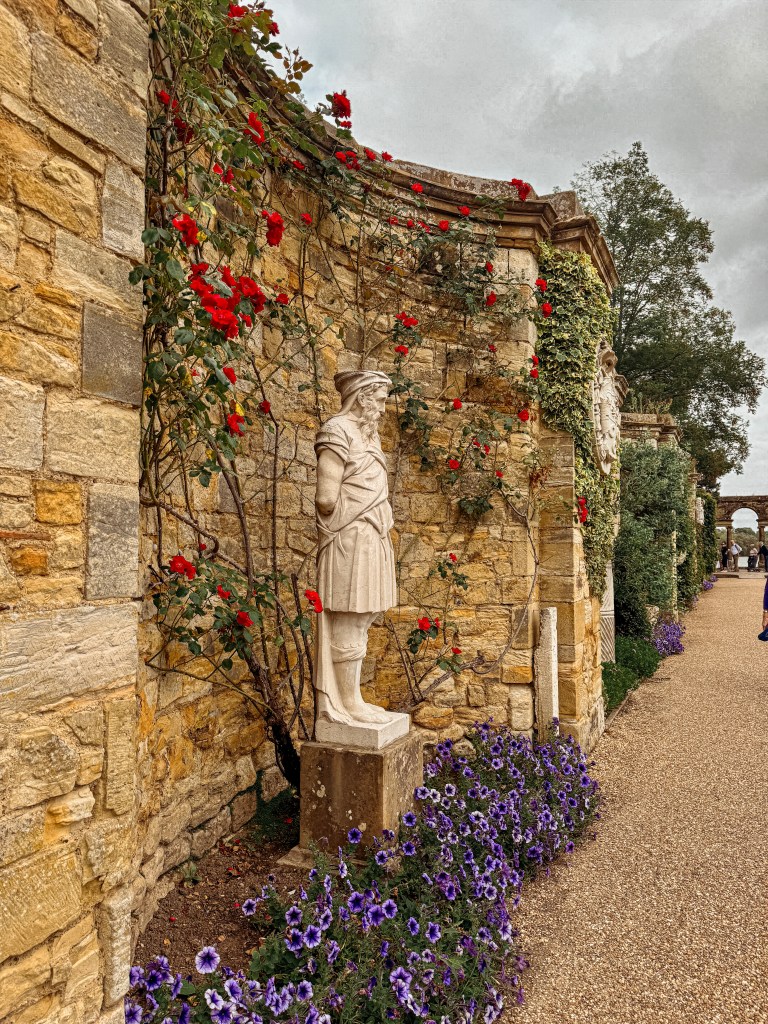
Hever Castle is an enchanting year-round destination, particularly in summer when you can explore its 125 acres of award-winning gardens. Highlights include the Italian Garden, adorned with classical statues and Mediterranean plantings, and the Rose Garden, which boasts over 4,000 stunning roses in full bloom during the summer months. Autumn reveals a tapestry of spectacular foliage, while spring brings forth a delightful display of daffodils, bluebells, and tulips.
From July to September, the castle hosts a thrilling jousting tournament, complete with dozens of medieval tents that recreate life from that era. In the winter, the castle transforms into a festive wonderland, adorned with twinkling lights, Christmas markets, and opportunities to meet Father Christmas himself. Additional events throughout the year include open-air theatre performances and indulgent afternoon tea within the castle’s stately halls.
You can reach Hever by a direct train from London to Hever station, followed by a charming 20-minute walk, though I recommend a weekend trip with a hired car for a more leisurely experience. Consider staying in the Astor Wing of Hever Castle for exquisite accommodation or choose from a variety of nearby B&Bs. With a car, you can also explore nearby attractions such as Chiddingstone Castle, Knole, and Chartwell, while enjoying delightful meals at esteemed local pubs like The Pheasant Plucker and the Kentish Hare.
Ticket Information: You can book tickets online via the Hever Castle website. Admission fees vary depending on the season, and annual passes are available for those who wish to visit multiple times a year.
Location: Edenbridge, Kent, TN8 7NG, UK
Opening Hours: Generally open daily, but check their website for specific seasonal hours.

 Ever so British
Leave a comment