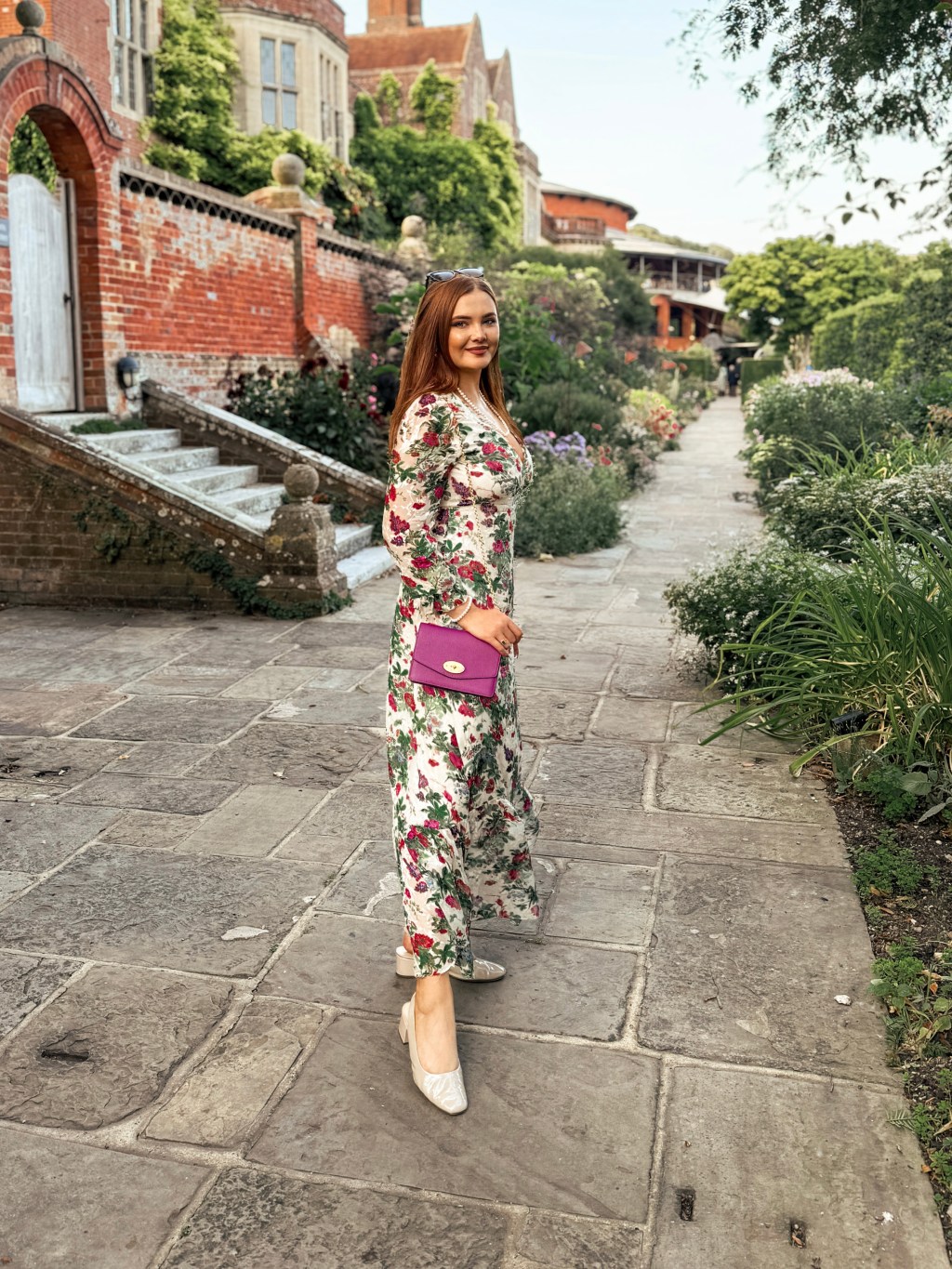
For opera lovers, Glyndebourne isn’t just a venue—it’s a pilgrimage. It is one of the only places in the world where you can watch world-class productions against the backdrop of rolling hills, all whilst partaking in the quintessentially British tradition of enjoying a lavish picnic during the intermission. It is about as ‘Ever so British’ as it gets!
History of Glyndebourne
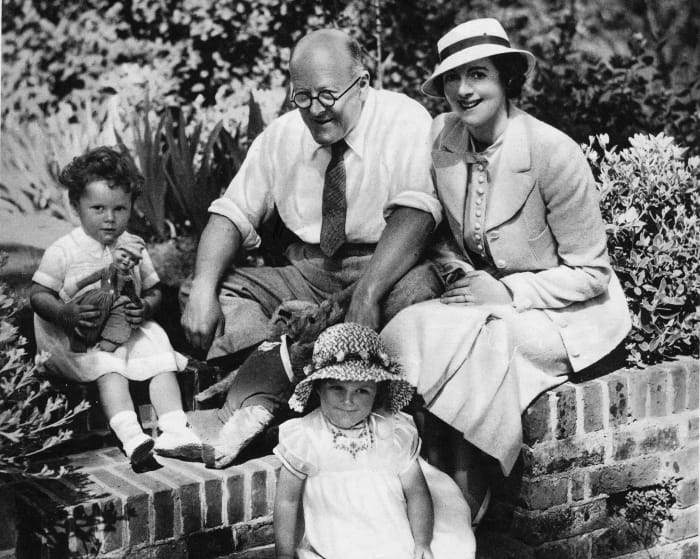
Glyndebourne was founded in 1934 by John Christie, a wealthy landowner, and his wife, Audrey Mildmay, a Canadian professional soprano. Christie was an opera enthusiast who, after visiting European opera houses, dreamed of creating a similar experience in England.
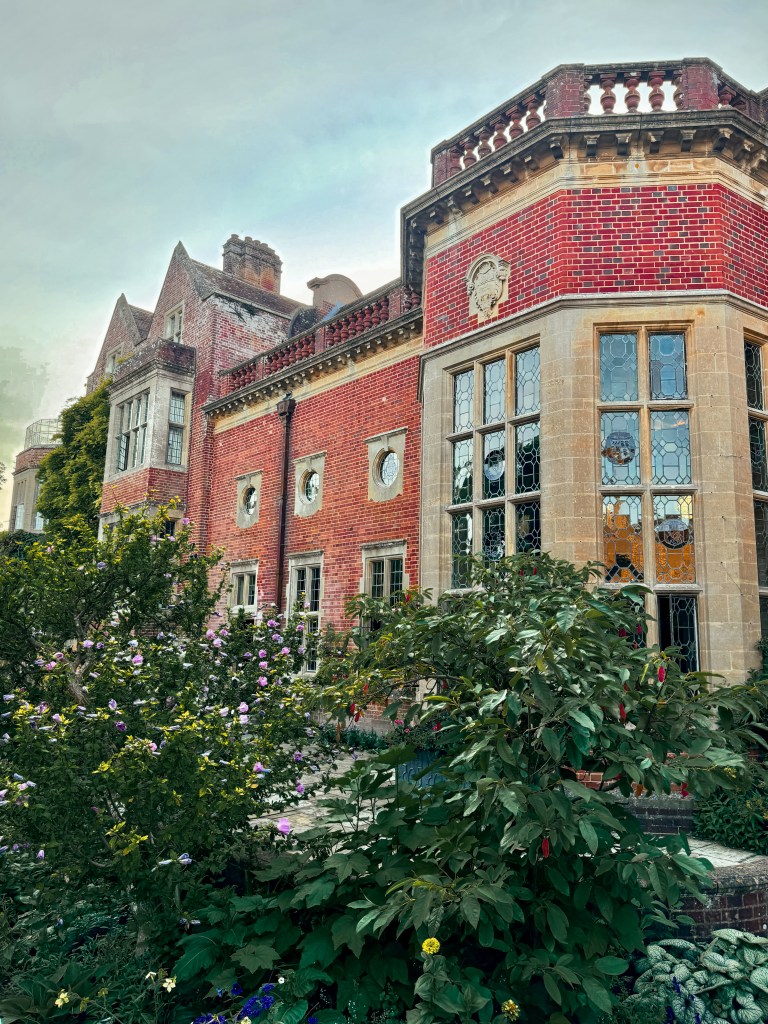
His vision was to build a small but exquisite opera house on his estate in Sussex, where audiences could enjoy the highest standards of performance in a relaxed, country house atmosphere. He did just that and built an annex to his property which could seat 300 people. It has been renovated since, now seating up to 1,200 and has state of the art acoustics and large intricate sets.

This year was my very first trip to Glyndebourne and it very nearly didn’t happen, as by the time I looked to buy tickets all of the best seats and dates had sold out. By a complete stroke of luck I was able to buy them off someone else and they were the best seats ever – in the Upper Circle, giving a great view of the entire theatre.
We had the privilege of seeing Bizet’s Carmen with the incredible Aigul Akhmetshina the lead, featuring the London Philharmonic Orchestra. The opera premiered in 1875 in Paris and is a gripping tale centred around the free-spirited gypsy, Carmen, who captivates a soldier, leading him to abandon his duty and embark on a path of self-destruction (I won’t give too much away, but you would almost certainly recognise some of the songs, like Habanera).
How to get the best seats
The festival usually runs from mid-May to late August and is ending tomorrow, but if you’re serious about going next year, then I would suggest becoming a Glyndebourne member, as I’m planning to do. Members get priority booking on seats – by the time they are released to the public all the best seats are gone.
They have an under 30s membership which is free and under 40s membership (£70 per year). If you’re under 30 you can enjoy tickets for £30 or chose the best seats for just £45. If you’re an old bat like me, you can enjoy the under 40s membership and secure tickets before they go out to the public and get 50% off a pair of tickets.
They also have an ‘Associate Membership‘ which gives you priority booking as well and also lets you secure a place on the waiting list for lifelong Festival Society Members. The latter is the holy grail and gives you tickets before anyone else with invitations all year round to exclusive events. The current waiting list for lifetime membership is 10-12 years!
What to wear
Glyndebourne technically doesn’t technically have a formal dress code like Ascot, but unless you want a sea of people raising their eyebrows at you, make sure you dress black tie.
For women: a dress below the knee (ideally floor length), shoulders covered (avoid spaghetti straps), tasteful jewellery, a clutch and some smart (but comfortable heels). A woman next to me had chunky fisherman sandals on and as much as I like fisherman sandals, it was completely inappropriate for the opera. In the picture above, I’m wearing an L.K. Bennett dress and a Mulberry clutch.
For men: traditional black tie includes a black, wool, single-breasted dinner jacket, with no vents, silk peaked lapels, or a shawl collar, and covered (ideally pearl) buttons. The black trousers should be tapered with a single row of braid and should be work with a soft-collared white or cream shirt and a bow tie (hand-tied not clipped on). However, the rules are slightly relaxed at Glyndebourne, so you will see the odd combination of straw panama hats with black tie suits – only ever acceptable at Glyndebourne and nowhere else.
How to get there
We live in Kent, so Sussex was a relatively simple drive, but if you live in London you can get a train to Lewes and then get the coach down to Glyndebourne. This needs to be pre-booked on their website.
Lewes is a gorgeous town, so if you can, try to get a hotel nearby and explore it. Eastbourne is also nearby and has lots of hotels.
What to bring
I made the fateful error of not bringing a picnic, thinking there would be food on site. To our disappointment, there was only a small deli with very limited selections, so we just settled for some sausage rolls.
If you really want to enjoy it properly, bring a picnic. The best picnics get very competitive and feature silver candelabras, caviar, and champagne in glass flutes. Hence, we received some rather pitying looks from neighbouring tables.

There is plenty of space to set up your picnic anywhere you want, see the map above. If it rains they move everyone to the sheltered areas near the house. People bring blankets, foldable chairs and tables, but you can also book a picnic table in the shade – I would recommend booking a table (in case of bad weather) and bringing a blanket to sit on as the estate outside on a sunny day is marvellous.
If you’re feeling lazy, you can buy a set picnic in advance, which includes furniture for £70, here’s what’s included and they also have a vegetarian menu:

Timings
For a Saturday afternoon/evening performance here’s what you can expect:
Gardens open: 2.00 pm (I would arrive early to get a good picnic spot. We arrived just before the first bell and parking was plentiful)
First bell: 3.50 pm (the opera will start 10 minutes after the first bell)
First interval: 4.55 pm – 5.15 pm (short enough to grab a drink and go to the loo)
Second interval: 5.55 pm – 7.25 pm (this is the long interval and when most picnicking happens)
End of performance: 8.30 pm (by this point you will be tired and it will be dark, but you can stay afterwards for a drink or some shopping. Everyone piles out so expect a little bit of traffic on the roads)
Gardens close: 90 minutes after the performance finishes
So there you have it, if you’ve missed this summer’s festivities, look out for the Autumn programme, starting in early October, lasting till December. Sadly, picnics are off the table (pardon the pun), but there are a lovely selection of restaurants on site (just book in advance).
Enjoy!
⚜️ Rowan

 Ever so British
Leave a comment