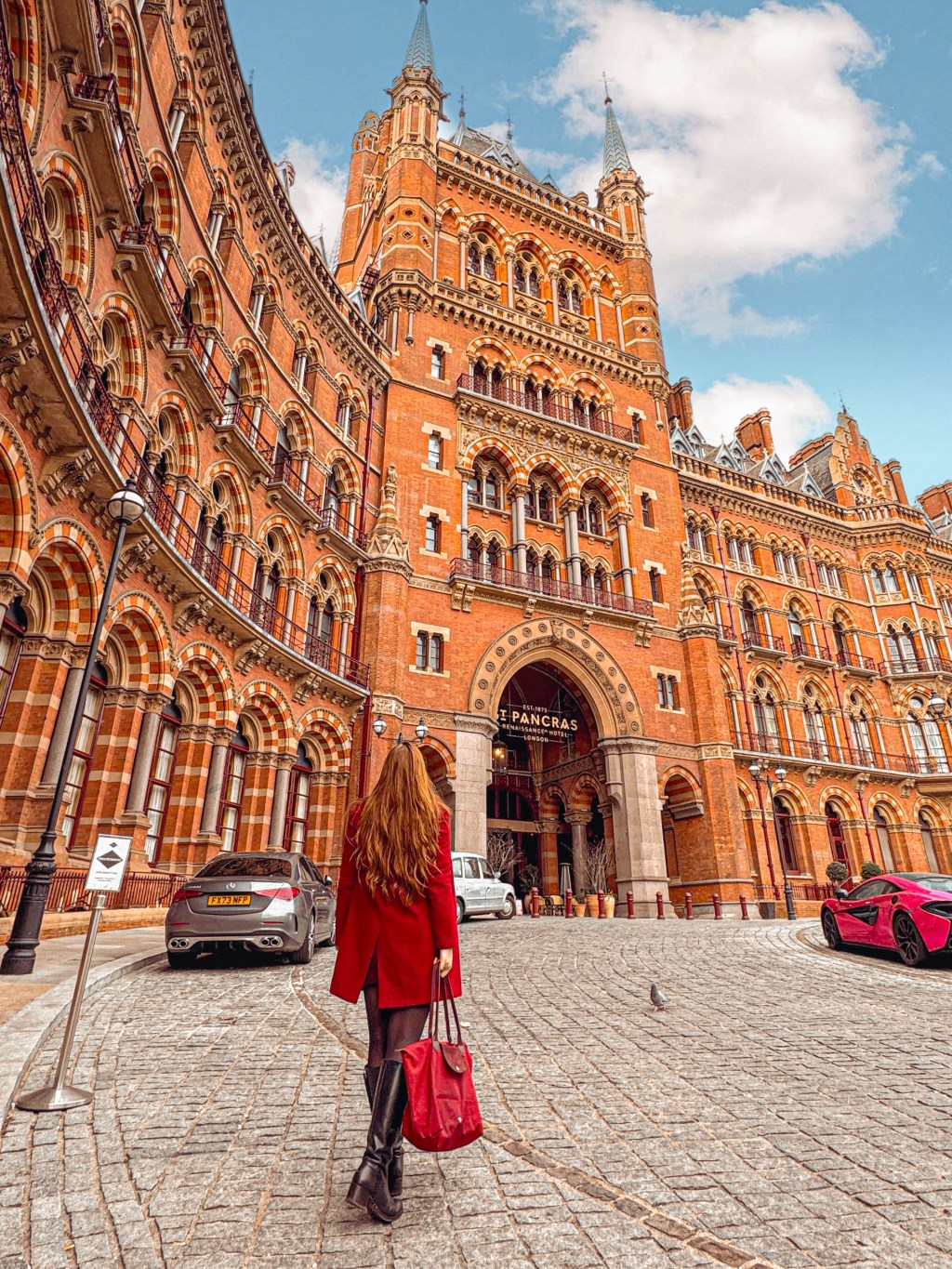
Then next time you’re in Central London make sure to stop by St. Pancras Hotel. Upon approaching it you will immediately be struck by its magnificent height, ornate details, pointed arches and red stonework (imported from the Midlands). You are looking at one of Sir George Gilbert Scott’s Gothic Revival masterpieces.
The red stonework from the Midlands is no coincidence – both the hotel and St Pancras station were commissioned by the Midland Railway Company, which previously had no direct line into London and had to rely on competitor networks. Scott submitted his architectural designs in a competition with 10 other plans, and despite being far over the original budget with bigger and grander designs – he won. The hotel cost £438m in today’s money, opening its doors in 1876 as the “Midland Grand Hotel”.
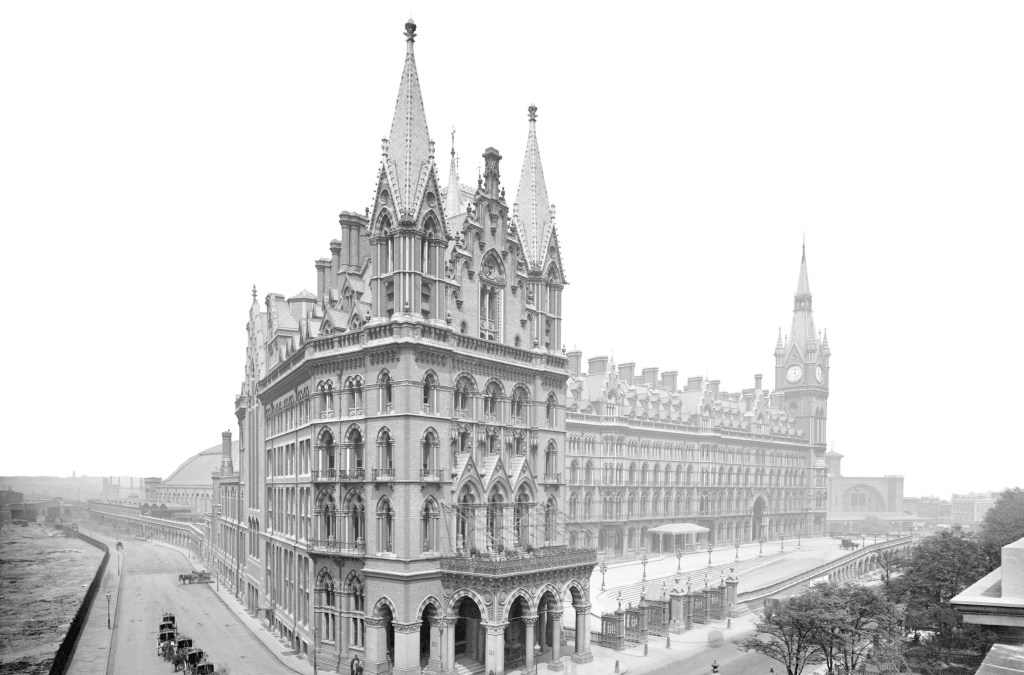
The Midland Grand Hotel in the 1930s 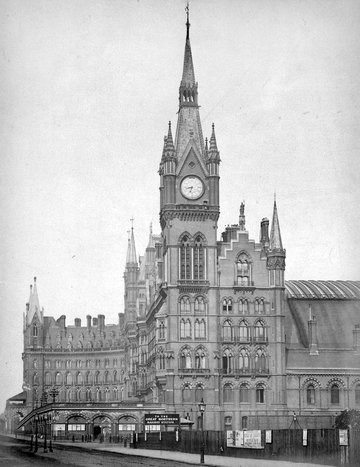
The Midland Grand Hotel in the 1930s 
Hotel scetch with the magnificent clocktower 
Paper advertisement for the Midland Grand Hotel following its opening 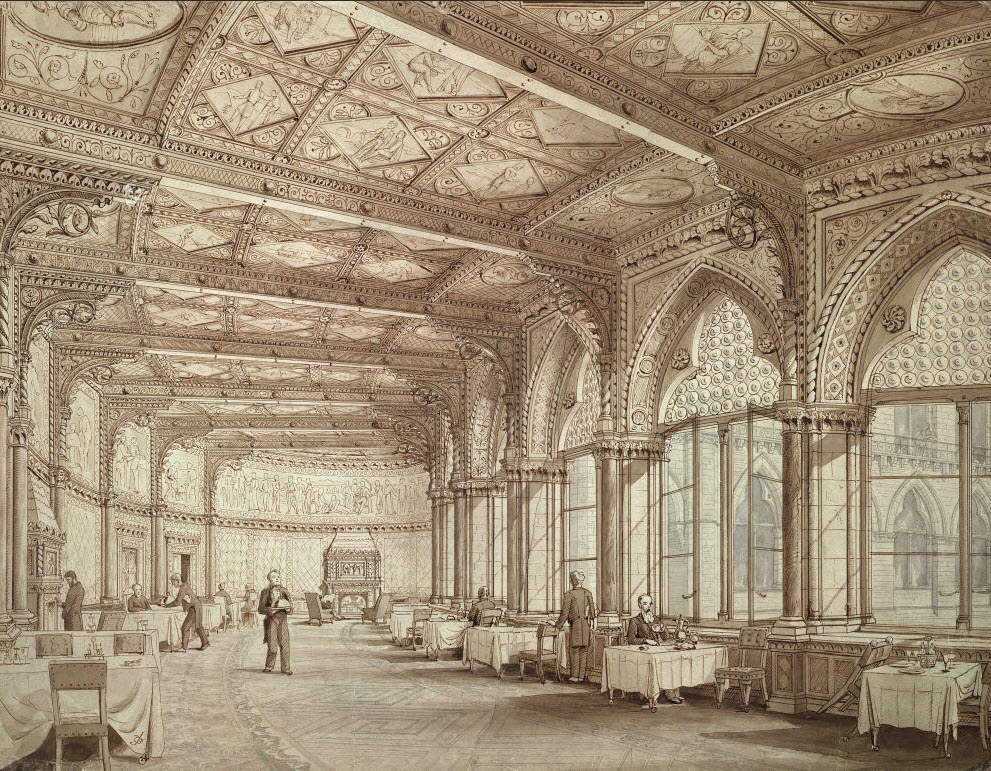
Interior Perspective of the Coffee Room, drawn by Thomas Graham Jackson Source: Royal Institute of British Architects 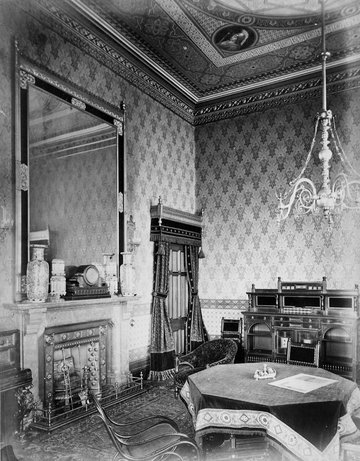
Original interior 
Original interior
It was one of the finest hotels in the world at the time (accommodating the likes of Dickens, Yeats, Shelley, Holst, Disraeli, etc.) and was renowned for its stunning interior, grand Gothic architecture, fireproof floors, hydraulic lifts, unique calling system of electric bells, and flushing toilets (a novelty at the time!). Scott was able to combine the architecture of medieval times with modern luxuries in a revolutionary display that Gothic architecture could be both ornate AND practical (something I think most modern architects have largely forgotten…).
However, by 1935 – less than 60 years after it was built, the hotel sadly closed its doors. This was mainly driven by wartime havoc, changing travel patterns (from cars and planes becoming more common) and the 1947 nationalisation of railways by the Labour party. Just like many buildings around it and the entire area of Kings Cross, the hotel fell into dereliction, accommodating more pigeons than actual guests.
British Rail had fought for years to demolish it in favour of a new King’s Cross in the style of Euston, but came under fierce resistance from the Victorian Society, led by Sir John Betjeman who called the hotel “too beautiful and too romantic to survive” in a world of tower blocks and concrete. They succeeded in getting the building Grade I listed and thanks to their remarkable efforts the hotel survived demolition and was gloriously restored in 2011 at the cost of £150m.
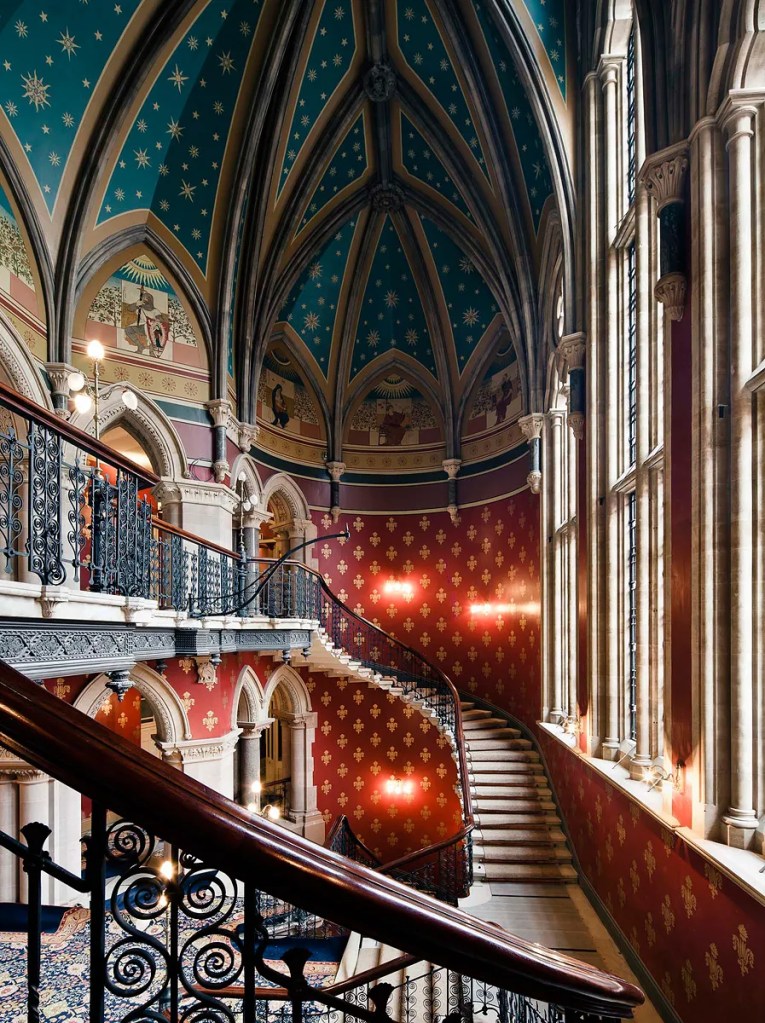
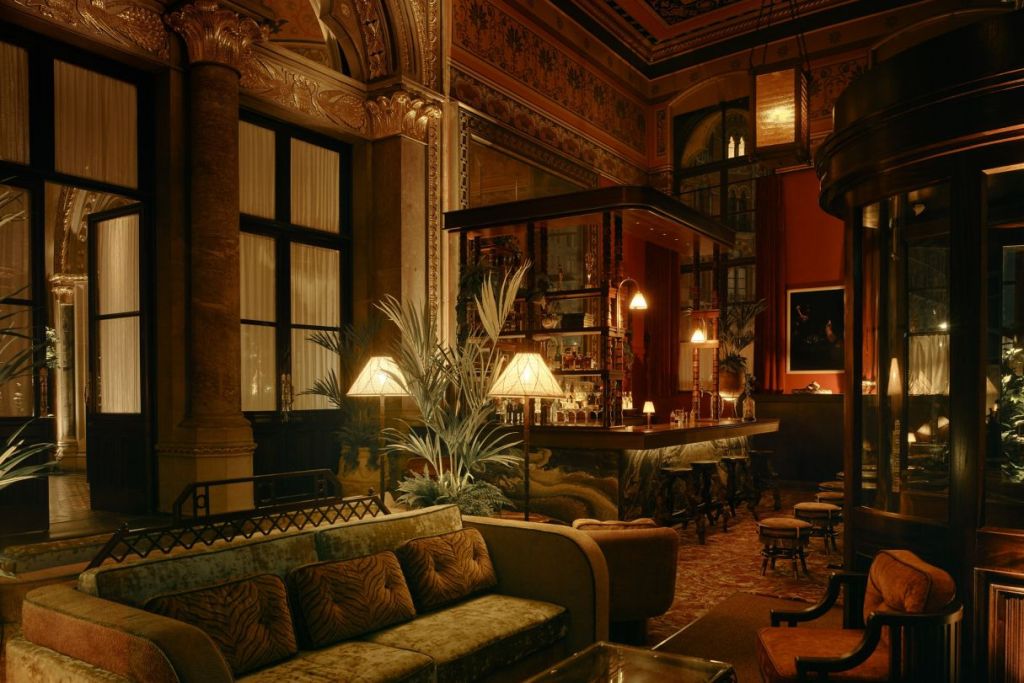
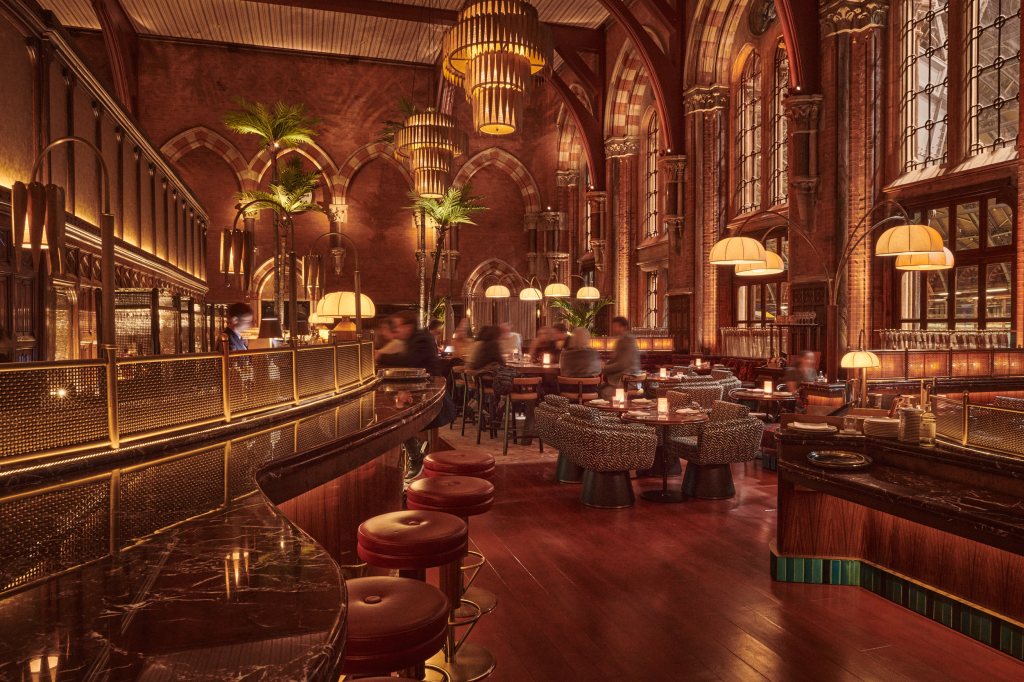
To this day it remains an iconic piece of British history and architecture and you can find Betjeman’s statue on the top floor of the station where you will also find a hidden charming pub ‘Betjeman’s Arms‘ and the more upscale ‘Booking Office 1869‘ which I can’t wait to visit. The interior looks incredible!




 Ever so British
Leave a comment